
Outdoor & Camping lights
Genuine Fenix flashlights, headlamps, and lanterns for the Canadian outdoors — weatherproof, cold-tolerant, and built to run all night on the trail, at camp, or on the water. Shipped from Mississauga with full Canadian warranty service.
-
Sale
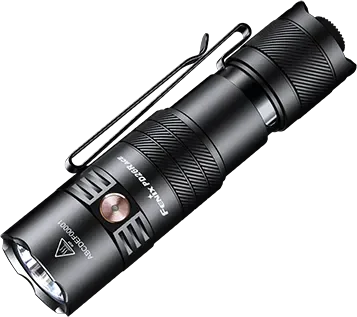
Fenix PD26R ACE
1,300 lm · 354 m
CAD $103.95 $93.95
-
Sale
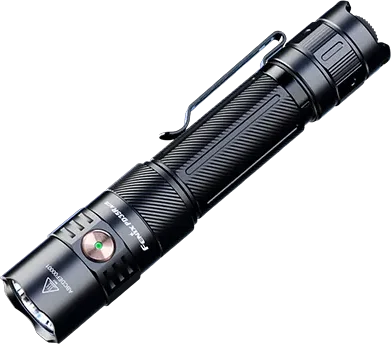
Fenix PD35R ACE
2,000 lm · 380 m
CAD $139.95 $125.95
-
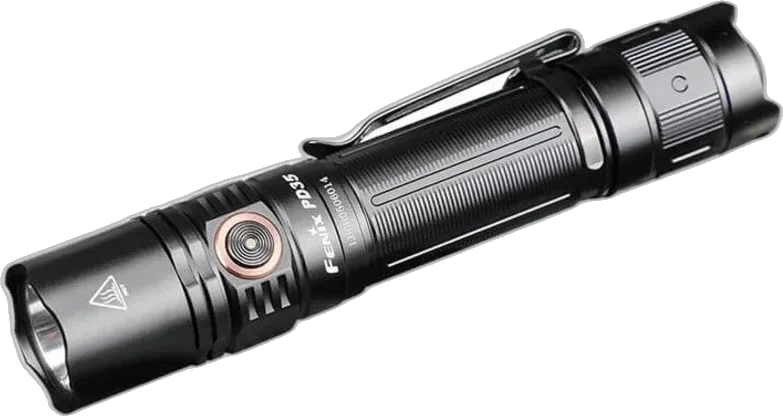
Fenix PD35 V3.0
1,700 lm · 357 m
CAD $114.95
-
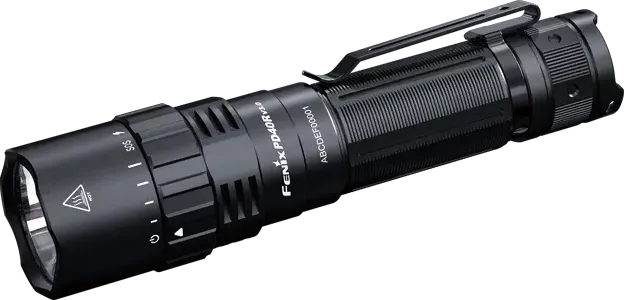
Fenix PD40R V3.0
3,000 lm · 500 m
CAD $166.95
-
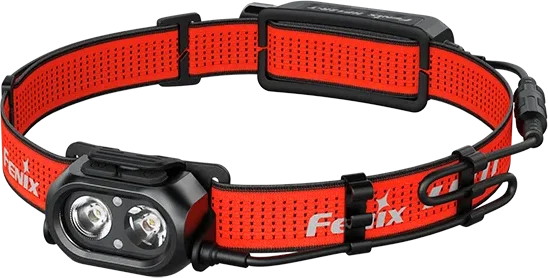
Fenix HP12R-T
1,300 lm · 200 m
CAD $129.95
-
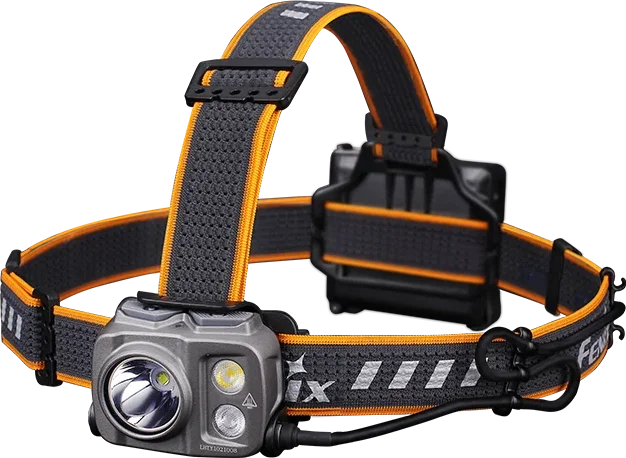
Fenix HP16R
1,250 lm · 255 m
CAD $149.95
-
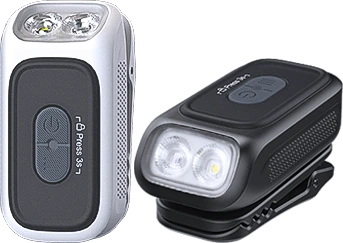
Fenix E04R
300 lm · 46 m
CAD $46.95
-
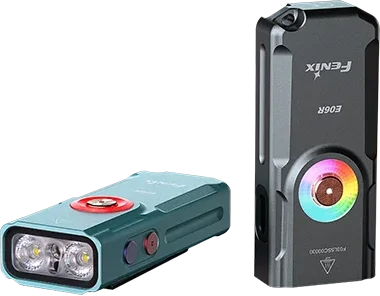
Fenix E06R
700 lm · 110 m
CAD $84.95
-
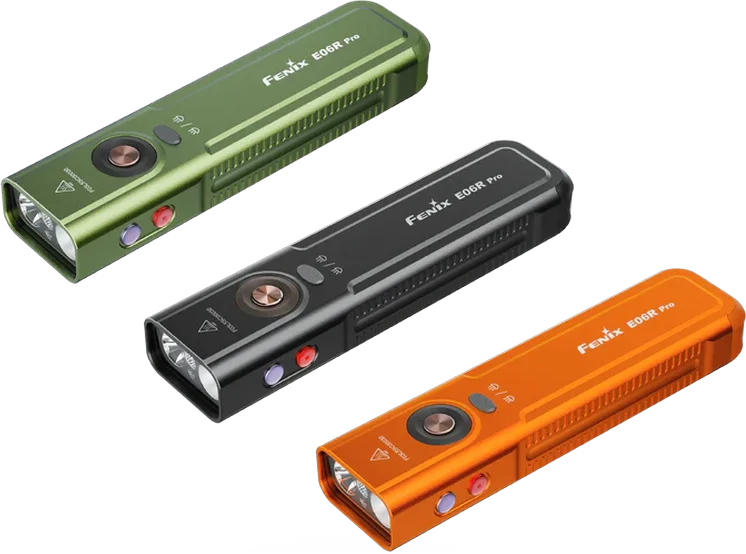
Fenix E06R Pro
1,600 lm · 160 m
CAD $109.95
-
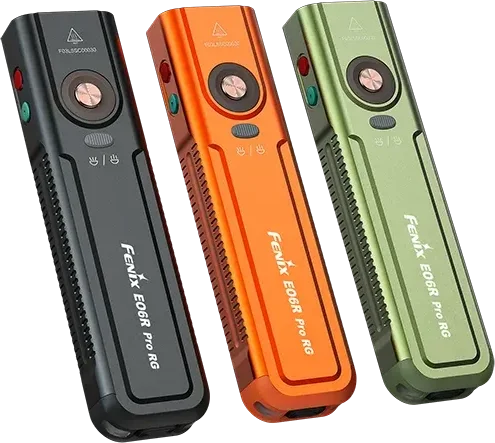
Fenix E06R Pro RG
1,600 lm · 160 m
CAD $124.95
-
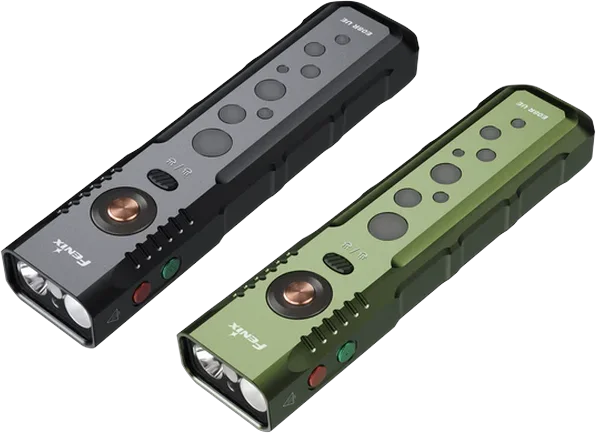
Fenix E08R UE
1,600 lm · 160 m
CAD $159.95
-
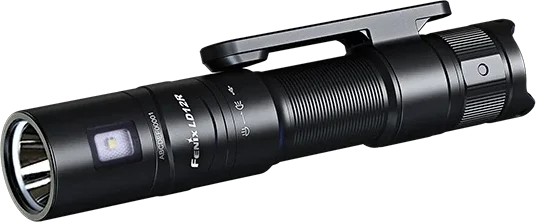
Fenix LD12R
600 lm · 186 m
CAD $84.95
-
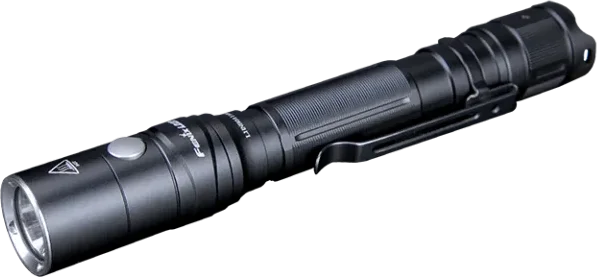
Fenix LD22 V2.0
800 lm · 214 m
CAD $90.95
-
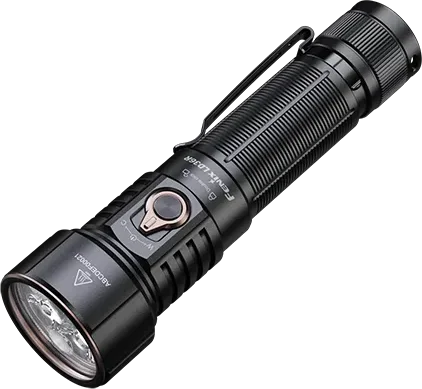
Fenix LD36R
3,600 lm · 385 m
CAD $174.95
-
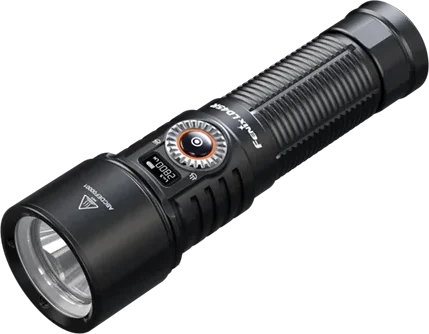
Fenix LD45R
2,800 lm · 480 m
CAD $184.95
-
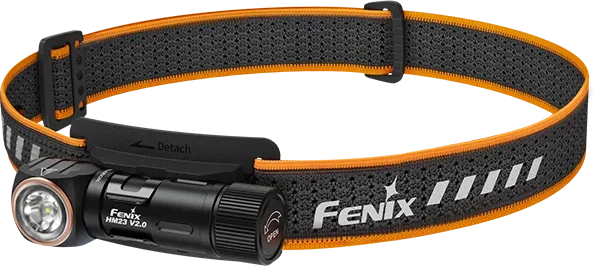
Fenix HM23 V2.0
300 lm · 88 m
CAD $55.95
-
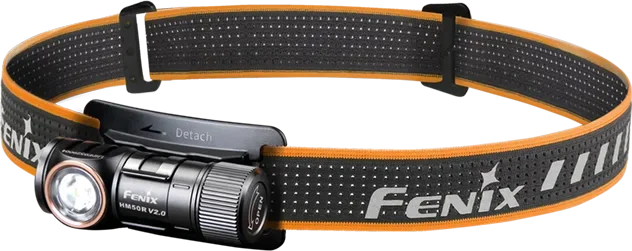
Fenix HM50R V2.0
700 lm · 115 m
CAD $81.95
-
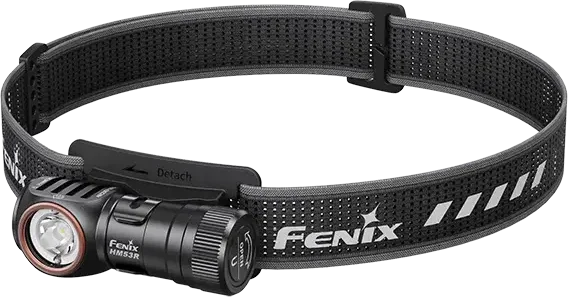
Fenix HM53R
1,200 lm · 158 m
CAD $104.95
-
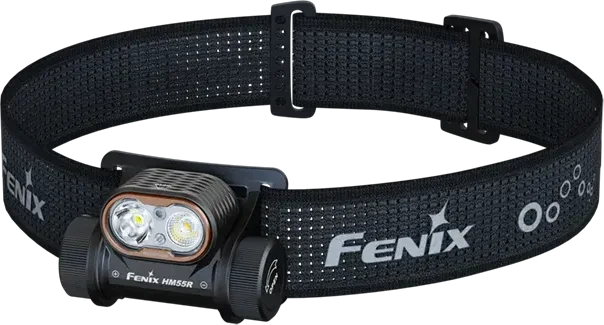
Fenix HM55R
1,200 lm · 175 m
CAD $109.95
-
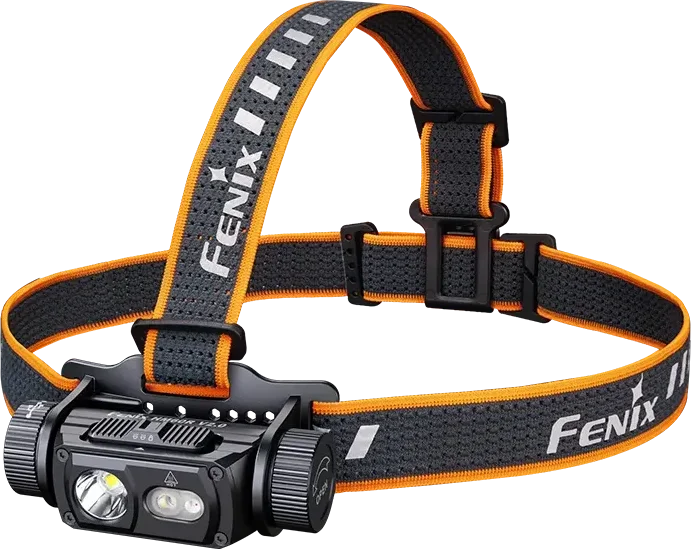
Fenix HM60R V2.0
1,600 lm · 170 m
CAD $124.95
-
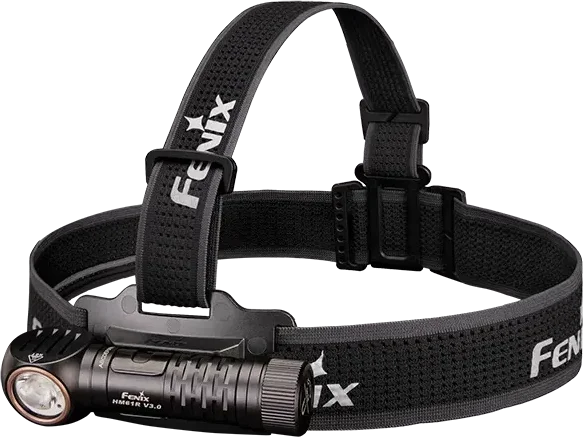
Fenix HM61R V3.0
1,800 lm · 195 m
CAD $134.95
-
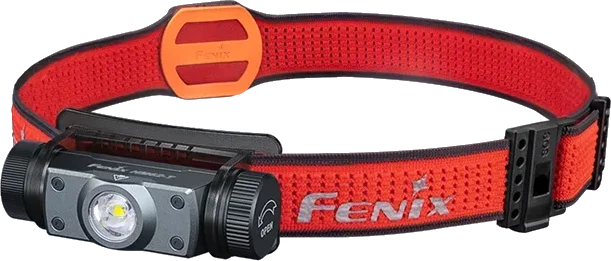
Fenix HM62-T
1,200 lm · 150 m
CAD $106.95
-
Sale
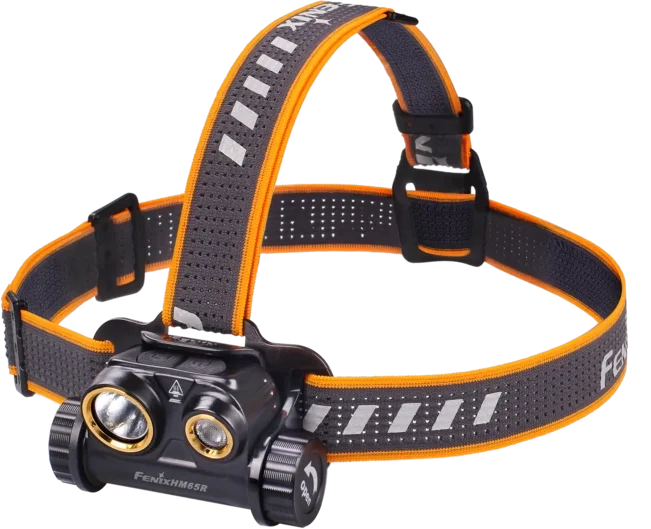
Fenix HM65R
1,400 lm · 163 m
CAD $136.95 $122.95
-
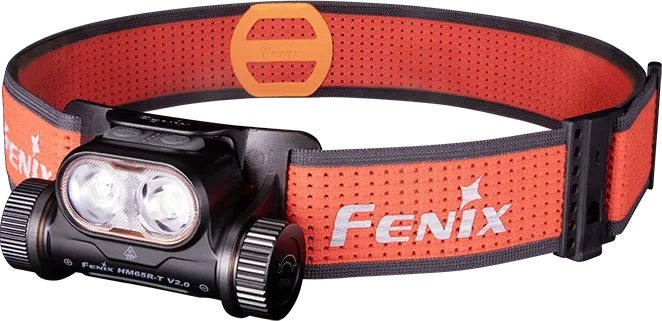
Fenix HM65R-T V2.0
1,600 lm · 170 m
CAD $149.95
-
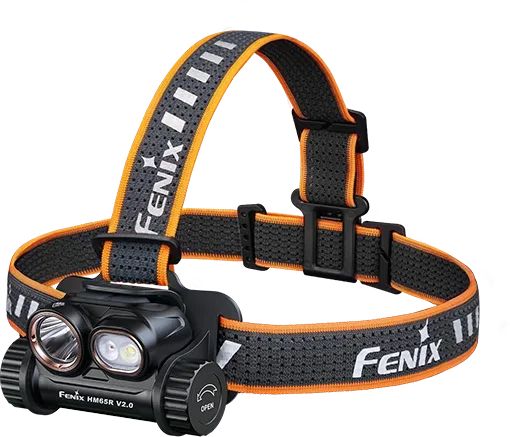
Fenix HM65R V2.0
2,200 lm · 230 m
CAD $139.95
-
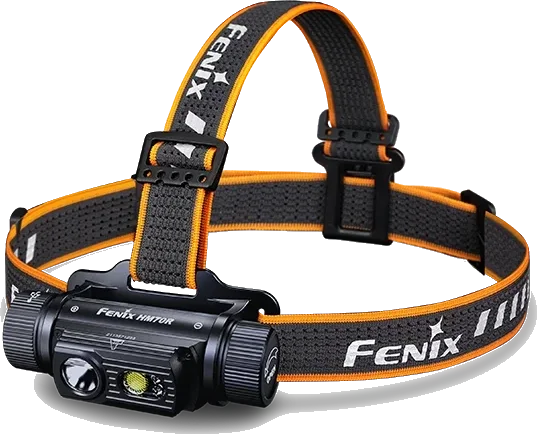
Fenix HM70R
1,600 lm · 186 m
CAD $136.95
-
Sale
Fenix HM70R + E03R V2.0
1,600 lm · 186 m
CAD $183.95 $136.95
-
New
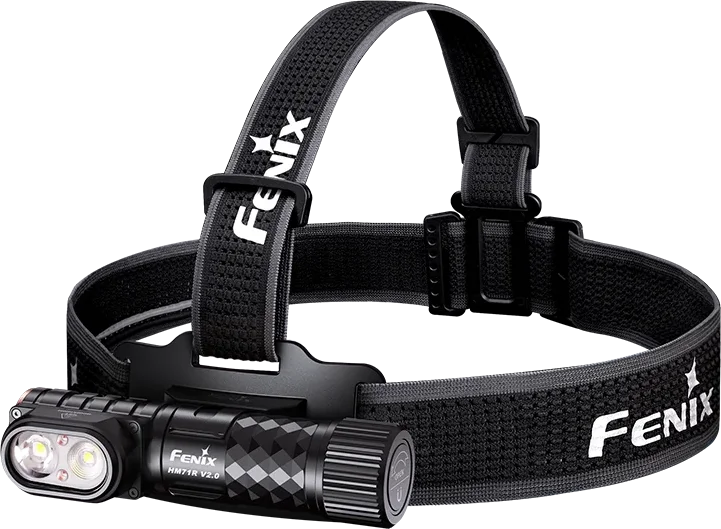
Fenix HM71R V2.0
3,500 lm · 275 m
CAD $184.95
-
New
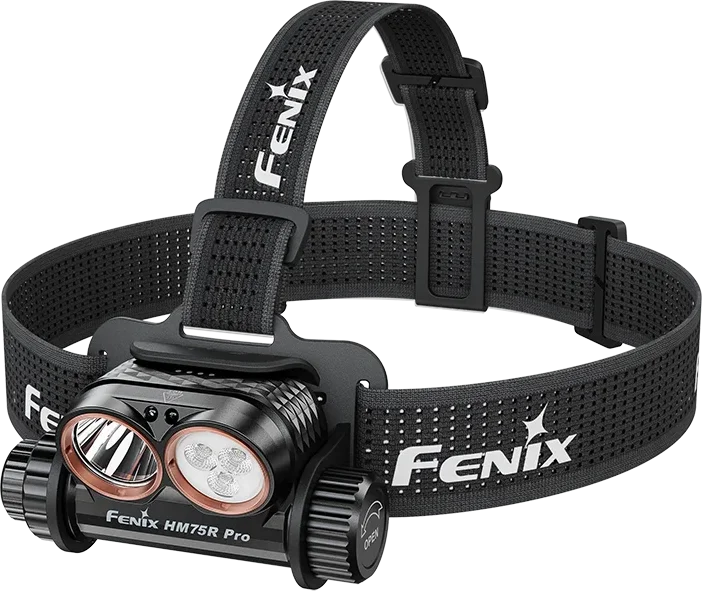
Fenix HM75R Pro
3,500 lm · 398 m
CAD $204.95
-
Sale
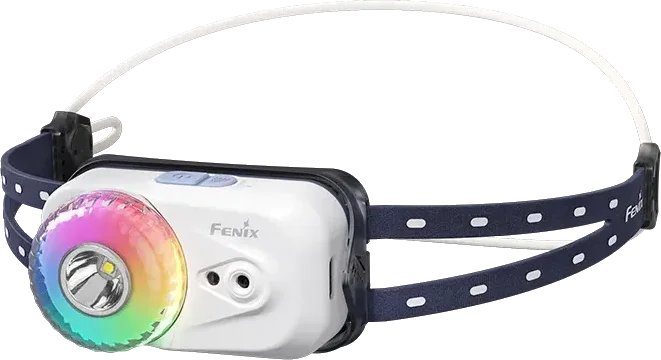
Fenix HL17R
500 lm · 100 m
CAD $59.95 $50.95
-
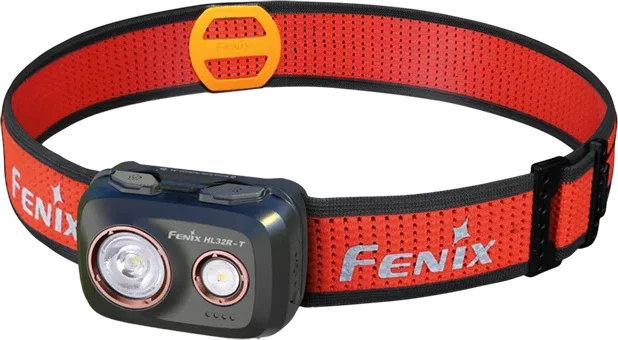
Fenix HL32R-T
800 lm · 132 m
CAD $99.95
-
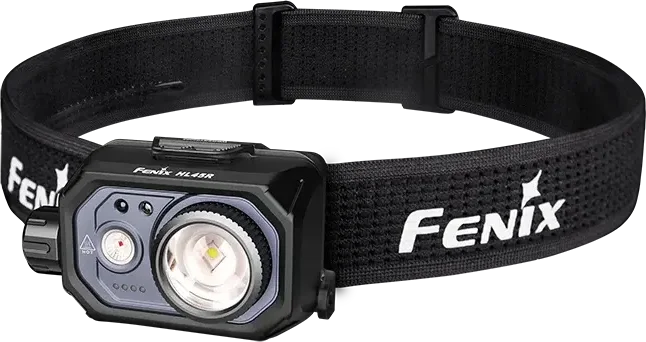
Fenix HL45R
1,000 lm · 220 m
CAD $119.95
-
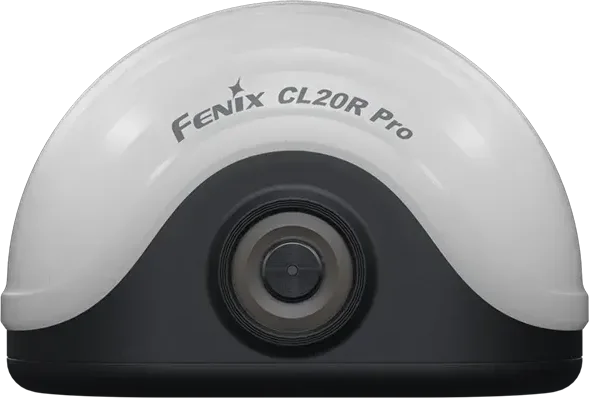
Fenix CL20R PRO
400 lm · 15 m
CAD $79.95
-
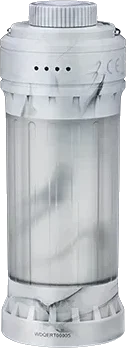
Fenix CL22R
500 lm · 80 m
CAD $74.95
-
Sale
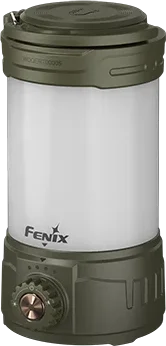
Fenix CL26R Pro
650 lm · 15 m
CAD $119.95 $101.95
-
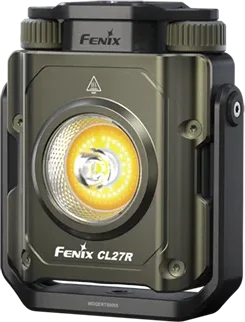
Fenix CL27R
1,600 lm · 180 m
CAD $119.95
-
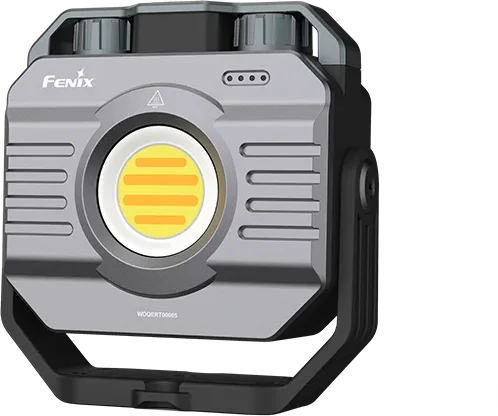
Fenix CL28R
2,000 lm · 58 m
CAD $139.95
-
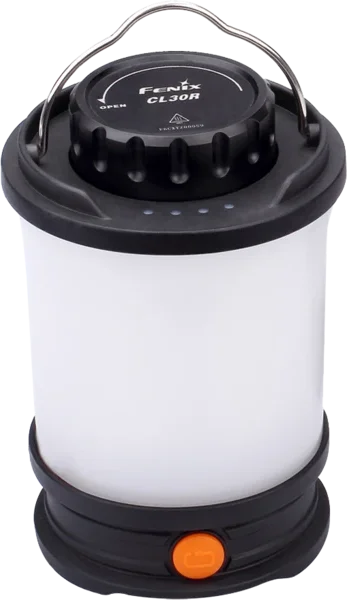
Fenix CL30R
650 lm · 35 m
CAD $149.95
No products match your filters.
Match the light to the trip
Most outdoor kits carry two lights. A headlamp keeps both hands free for pitching a tent, cooking, or scrambling over rock, while a handheld flashlight throws a tighter beam down the trail or across a lake to pick out a marker or a campsite. For car camping and base-camp use, a lantern lights the whole tent or picnic table without blinding anyone. If you want one small light that lives in a pocket year-round, start with an everyday-carry light.
Built for Canadian conditions
Look for an IP68 or IP66 rating so rain, snow, and a dropped light in the creek are not a problem, and favour models that run on rechargeable lithium-ion cells, which hold up far better than alkalines in the cold. Runtime on a usable medium setting matters more than the headline maximum lumens — that is the number you actually live with on a long night. Our battery guide covers cold-weather storage and how to keep cells healthy through a Canadian winter.
From the campsite to the backcountry
Weekend campers and cottage trips are well served by a mid-output headlamp and a rechargeable lantern. Backcountry hikers, paddlers, and anglers who are out past dark want more throw and longer runtime, and often a model that also takes CR123A primaries as a backup when there is no power for days. For low-impact night use around game or fish, see our hunting & fishing lights with red and filtered output. Every order ships from Ontario — see shipping for delivery times to your province or territory.
Frequently asked questions
Should I bring a headlamp or a flashlight for camping?
Both, if you can. A headlamp keeps your hands free for cooking, setting up, and walking the trail, while a flashlight gives you more reach to spot a campsite, a trail marker, or wildlife at a distance. Many campers carry a headlamp for general use and a small flashlight or lantern for camp.
How many lumens do I need for hiking and camping?
For walking a trail at night, 100 to 300 lumens on a medium setting is plenty and gives you long runtime. Around camp, 50 to 150 lumens is comfortable. Keep a higher 500-plus-lumen mode in reserve for spotting at a distance or in an emergency — you rarely run a light at maximum for long.
Do Fenix lights work in cold Canadian winters?
Yes. Fenix lights run on lithium-ion cells that perform far better than alkaline batteries in the cold, and the bodies are rated for sub-zero use. In deep cold, keep a spare battery in an inside pocket so body heat keeps it warm until you need it. Our battery guide has the full cold-weather routine.
Are these lights waterproof enough for canoeing and kayaking?
Most Fenix outdoor lights carry an IP68 rating, meaning they are dust-tight and survive submersion — fine for paddling, fishing, and rain. Check the rating on the individual product page; a few accessories and lanterns are splash-resistant (IP66) rather than fully submersible.
What if I am in the backcountry for days with no power?
Choose a model that runs on a removable rechargeable cell and also accepts CR123A or AA primaries as a backup, and carry spares. A USB power bank tops up most modern Fenix lights in the field. For multi-day trips, runtime on medium and the ability to swap cells matter more than peak brightness.