The February problem
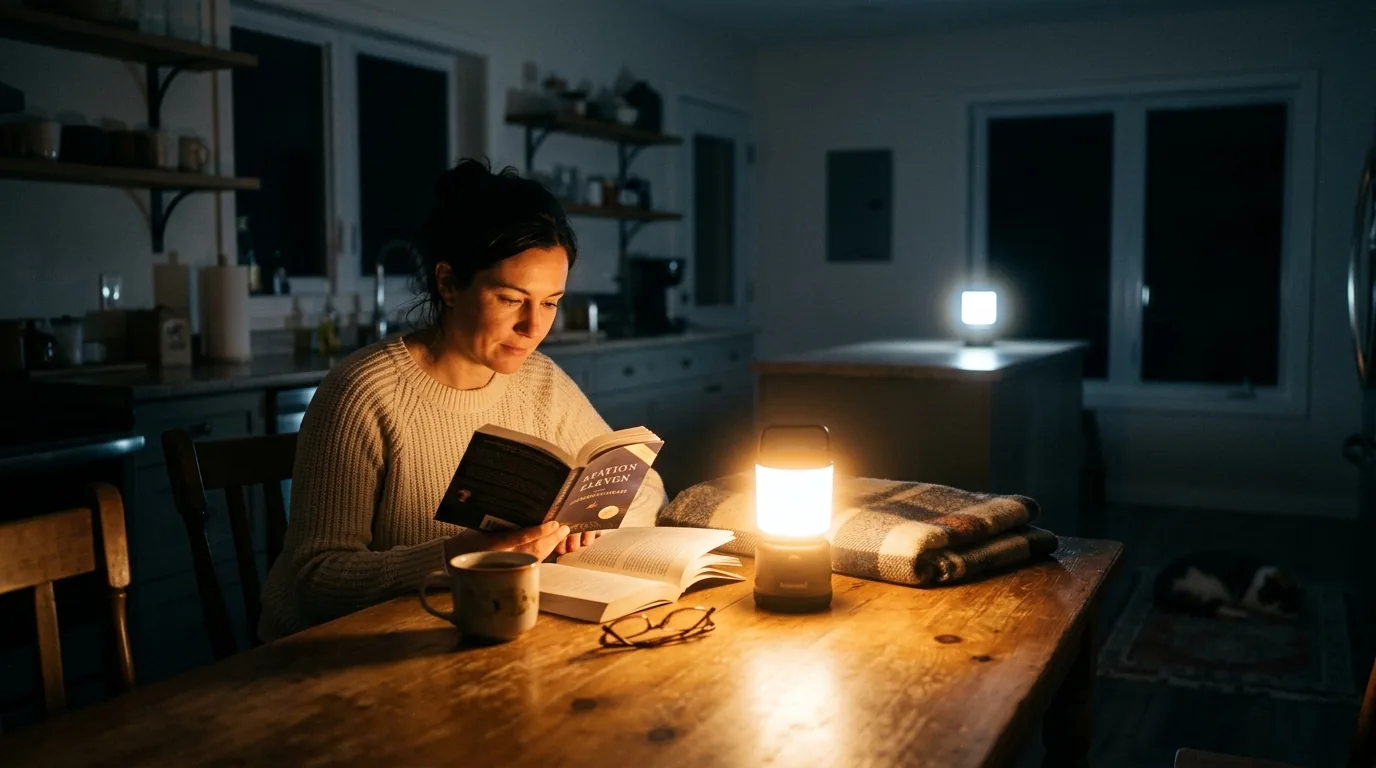
Every Canadian winter brings a few storms that put the lights out. Freezing rain loads the branches, a line comes down, and suddenly the house is dark and getting colder. Most outages are short. Some aren't. The difference between a tense evening and a pleasant one is almost always decided months earlier, on a calm afternoon, by whether someone bought a lantern and put it somewhere everyone can find in the dark.
That's the case for a household lantern in one sentence: it's the single item that turns a power outage from an event into an inconvenience.
Why a lantern, not a flashlight
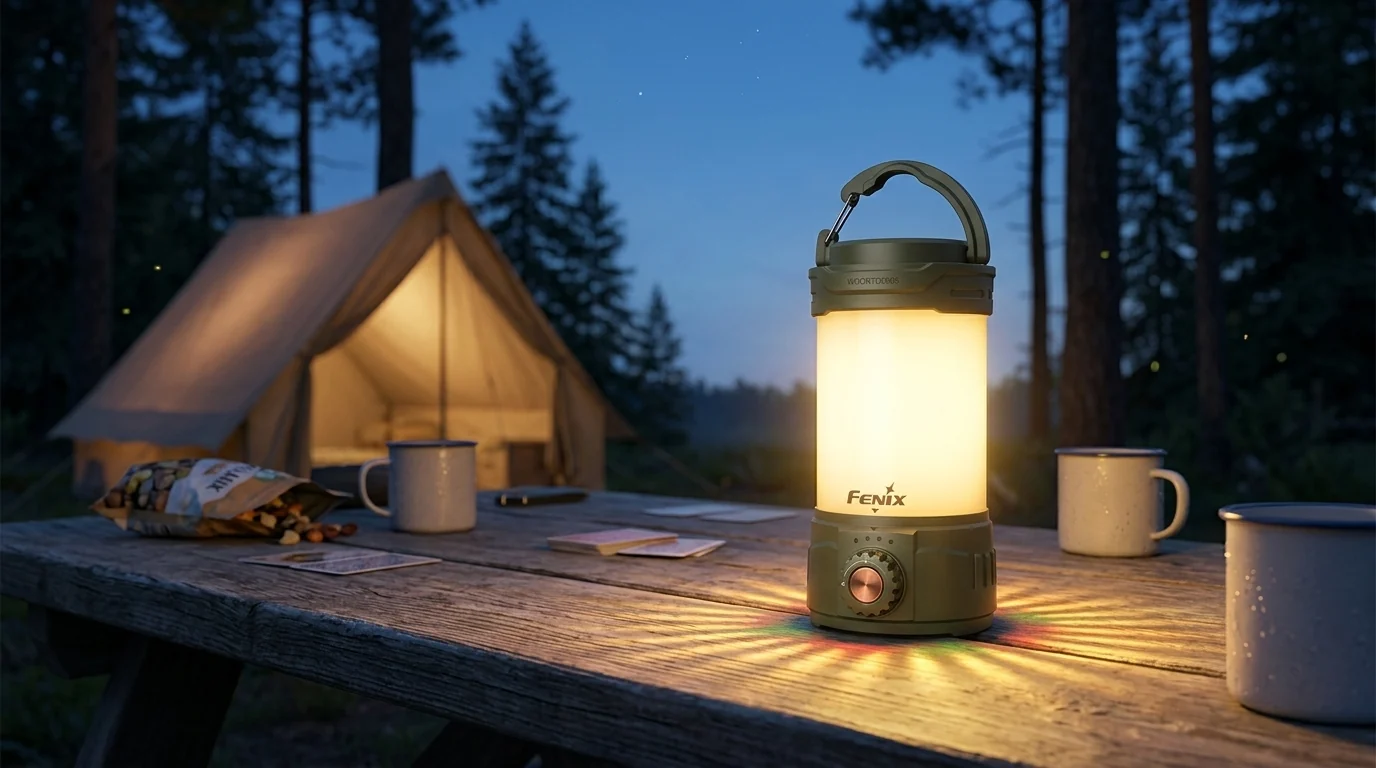
A flashlight is a beam — it points one way, and a hand has to hold it. Useful for the walk down to check the panel, useless for lighting a kitchen while three people make dinner. A lantern does the opposite: it sits on the table and fills the whole room with even, shadow-free light, hands free, while life carries on around it. Every home wants both, but if you're going to own one light for outages, make it the lantern.
Where it lives, and the warm-white detail
Pick a spot now — a kitchen cupboard, a hall shelf — and keep the lantern there, charged. The whole point is that anyone in the house can walk to it in the dark. And look for a warm-white setting: warm light is easy on the eyes, pleasant to eat and read under, and far nicer to spend an evening with than the hard blue-white of a work light. The good lanterns let you choose warm for the evening and switch to bright neutral when you need to actually see something.
Runtime beats brightness
For a household lantern, the number that matters isn't peak lumens — it's how long it runs on a comfortable setting. You want a soft pool of light that lasts the whole evening, not a floodlight that's flat by bedtime.
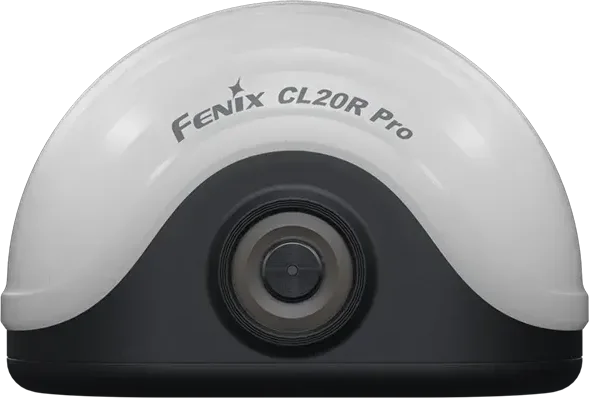
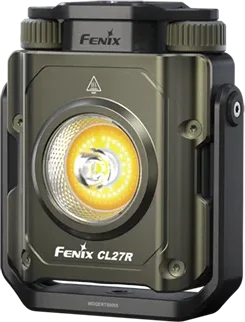
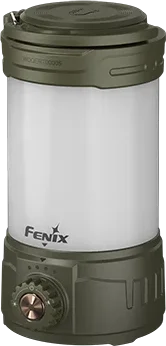
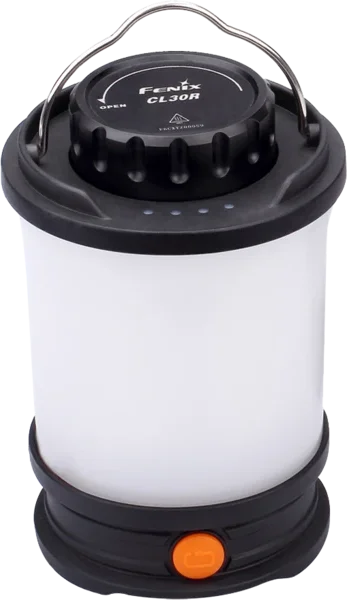
The light we'd put in most Canadian homes first is the CL20R Pro — featherweight, rechargeable, and bright enough for a room while small enough to toss in a camp bin or a car. For a main-room lantern that runs all evening, the CL26R Pro and CL27R are the easy picks; for the big kitchen table or a cottage, the high-output CL30R is the ultimate sit-around light. Power a workshop or a campsite instead? The CP50R doubles as a lantern and a power bank.
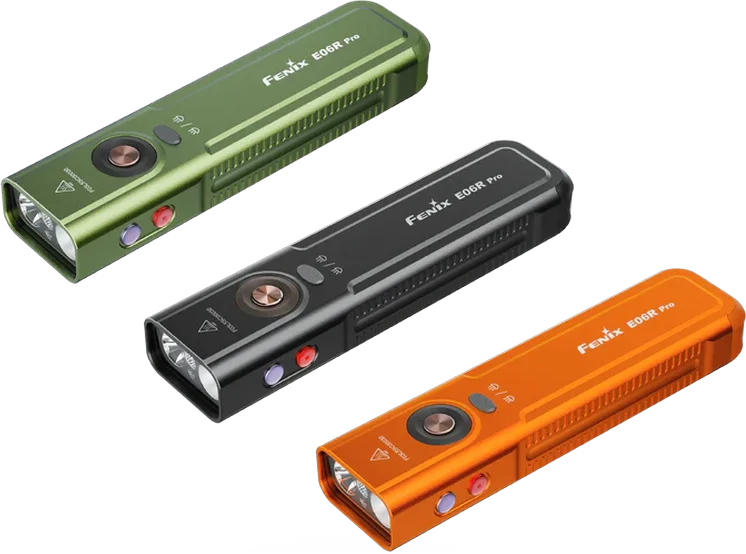
Pair any of them with a pocket light by the door — an E06R Pro is plenty — and your home is ready. Browse emergency lighting or see the lanterns below.