
Rechargeable flashlights
Nearly every Fenix light we stock is rechargeable — topped up over USB-C, on a magnetic contact, or in an external bay charger. Below: the battery types, the ways to charge, and what to expect for charge time, then every rechargeable Fenix flashlight, headlamp, and lantern we ship from Mississauga.
What "rechargeable" means on a Fenix light
A rechargeable flashlight runs on a lithium-ion cell you top up instead of disposable alkalines you throw away. On a Fenix light that cell is either sealed inside the body and charged through a built-in port, or a removable cell you can swap for a charged spare. Either way you stop buying batteries, you get brighter sustained output than alkalines can deliver, and the light holds up far better in the cold. The lights below are filtered to exactly the models that charge — the same set you get from the Rechargeable filter on any catalogue page.
Battery types
Most Fenix lights use a single 18650 or 21700 lithium-ion cell; smaller EDC and keychain lights use a 16340 or 14500, and some lanterns and headlamps use a sealed built-in pack. Many models are dual-fuel — they take a rechargeable cell for everyday use and a CR123A or AA primary as an emergency backup. See the full batteries range for spare cells and capacities.
Ways of charging
The common method is onboard USB-C — plug the light straight into a phone charger or power bank, no separate dock. Some lights add a magnetic charging contact, and removable cells can also be topped up in an external bay charger so you can rotate a charged spare. Pick the method that fits how you'll actually keep the light ready.
Charge time & runtime
Charge time depends on the cell's capacity and the charger's output — a small EDC cell fills in about an hour, a high-capacity 21700 can take three or more. Higher output burns the cell faster, so plan around runtime at the brightness you'll really use, not the headline turbo number. Most lights show a charge indicator so you know when they're full.
How to choose
If you want one light you rarely think about, pick a USB-C model with a built-in or single removable cell. If you need guaranteed uptime — emergencies, long shifts, the backcountry — choose a dual-fuel light and carry a charged spare. Our guide on why a rechargeable flashlight is worth it and the battery guide go deeper on chemistry and care.
-
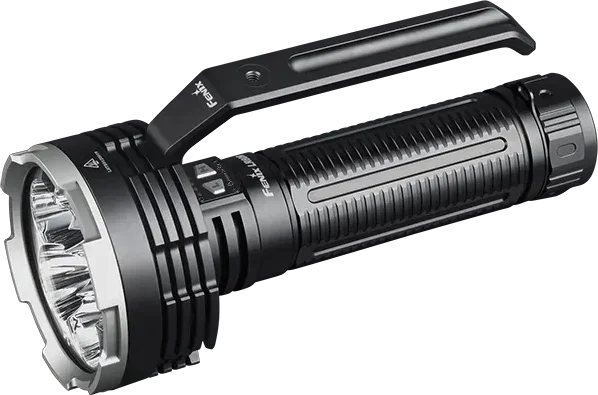
Fenix LR80R
18,000 lm · 1,130 m
CAD $616.95
-
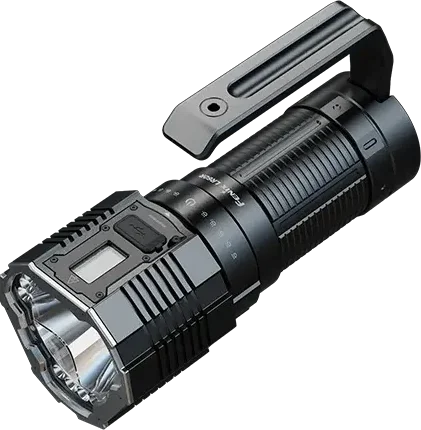
Fenix LR60R
21,000 lm · 1,085 m
CAD $589.95
-
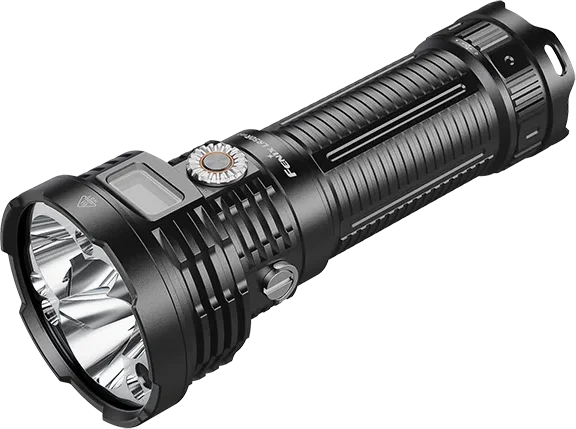
Fenix LR50R V2.0
18,000 lm · 846 m
CAD $539.95
-
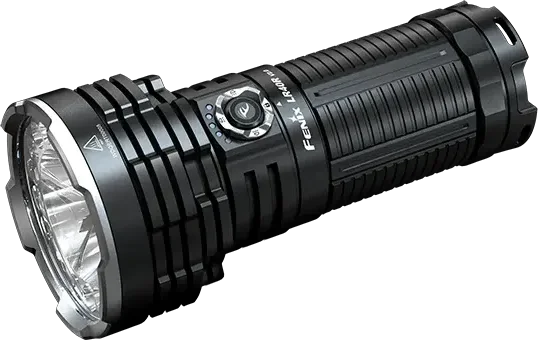
Fenix LR40R V2.0
15,000 lm · 900 m
CAD $419.95
-
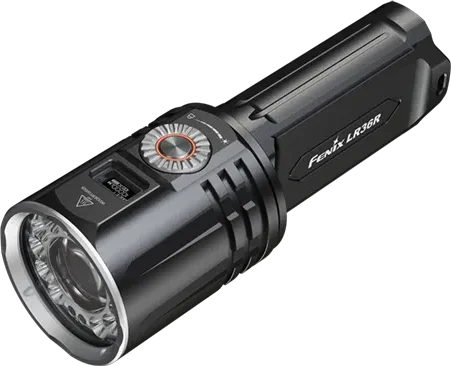
Fenix LR36R
10,000 lm · 1,260 m
CAD $529.95
-
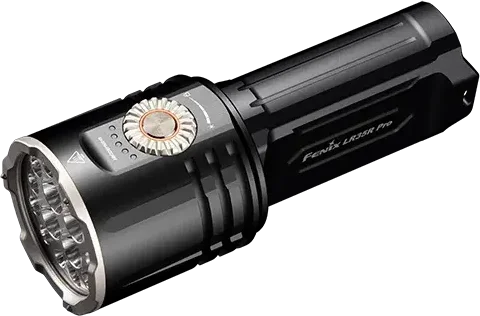
Fenix LR35R PRO
10,000 lm · 500 m
CAD $334.95
-
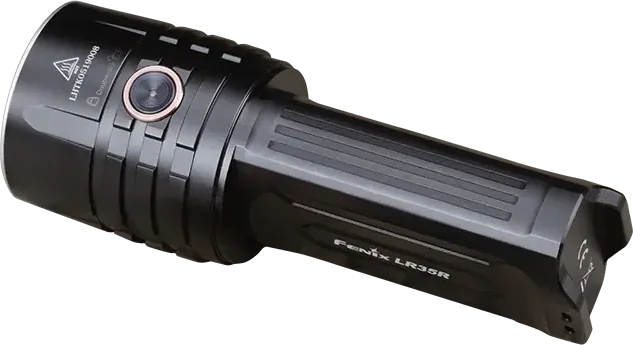
Fenix LR35R
10,000 lm · 500 m
CAD $273.95
-
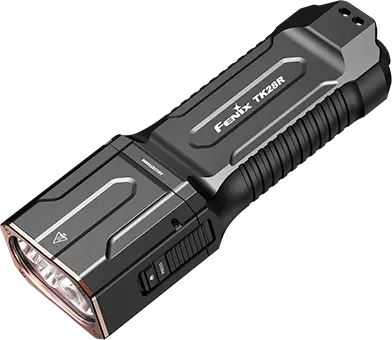
Fenix TK28R
6,500 lm · 400 m
CAD $319.95
-
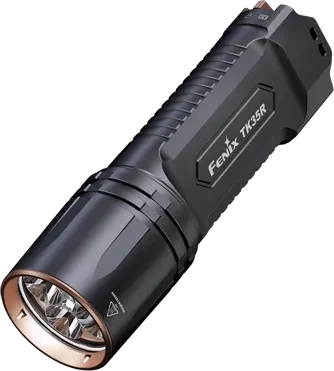
Fenix TK35R
5,800 lm · 610 m
CAD $289.95
-
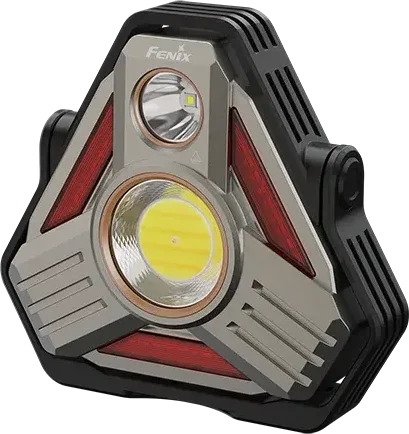
Fenix CP50R
5,500 lm · 450 m
CAD $265.95
-
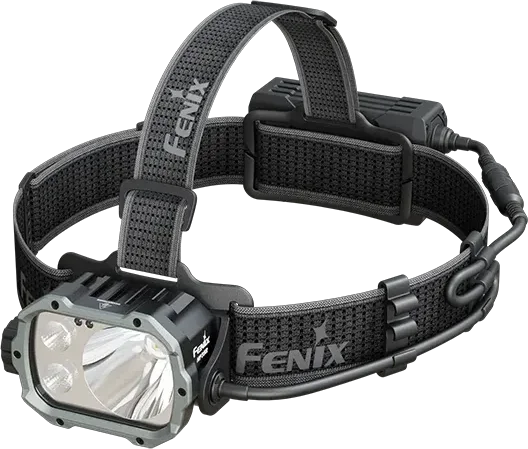
Fenix HP35R
4,000 lm · 450 m
CAD $319.95
-
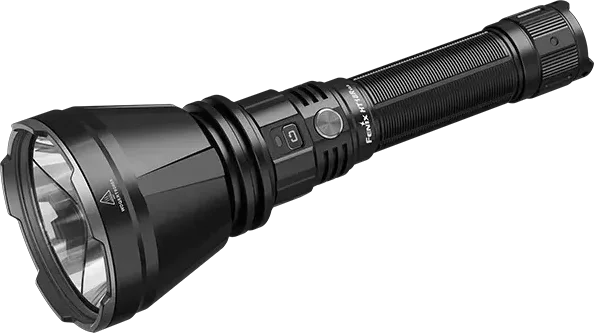
Fenix HT18R V2.0
3,700 lm · 1,100 m
CAD $219.95
-
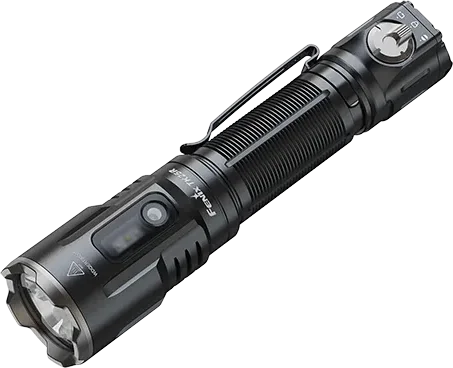
Fenix TK25R
3,600 lm · 350 m
CAD $204.95
-
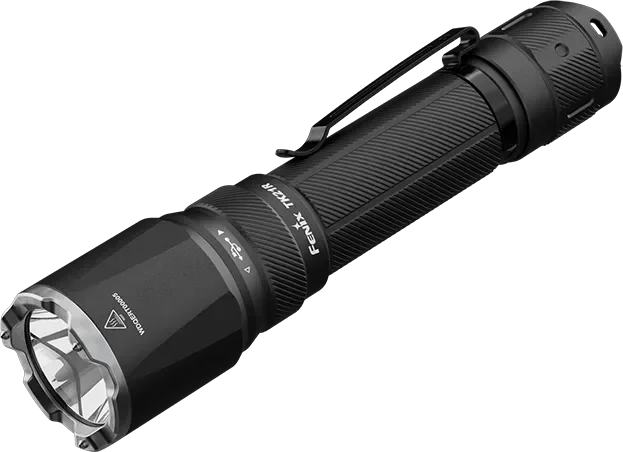
Fenix TK21R
3,600 lm · 480 m
CAD $195.95
-
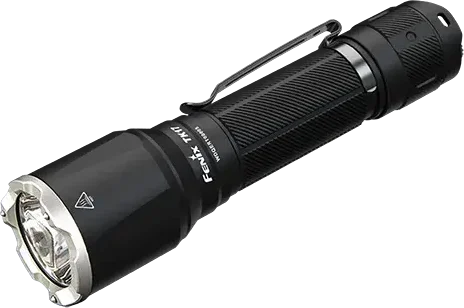
Fenix TK17
3,600 lm · 330 m
CAD $155.95
-
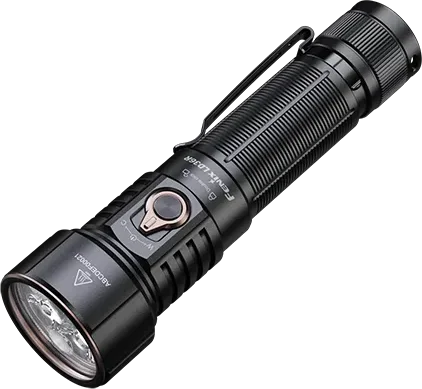
Fenix LD36R
3,600 lm · 385 m
CAD $174.95
-
New
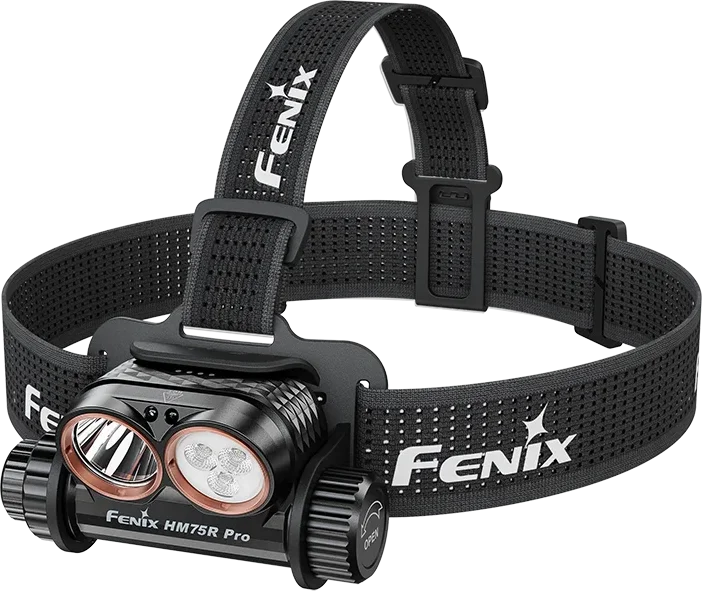
Fenix HM75R Pro
3,500 lm · 398 m
CAD $204.95
-
New
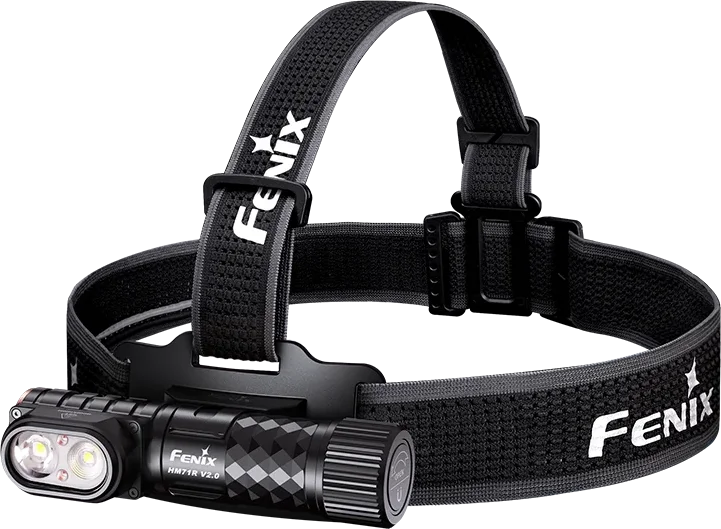
Fenix HM71R V2.0
3,500 lm · 275 m
CAD $184.95
-
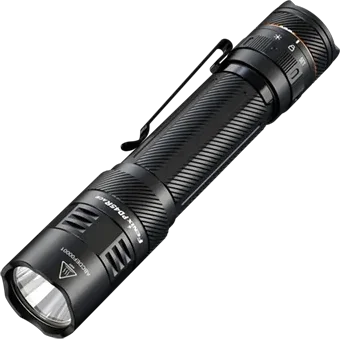
Fenix PD45R ACE
3,200 lm · 410 m
CAD $189.95
-
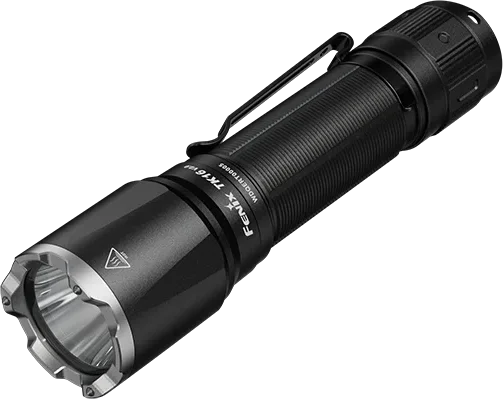
Fenix TK16 V2.0
3,100 lm · 380 m
CAD $136.95
-
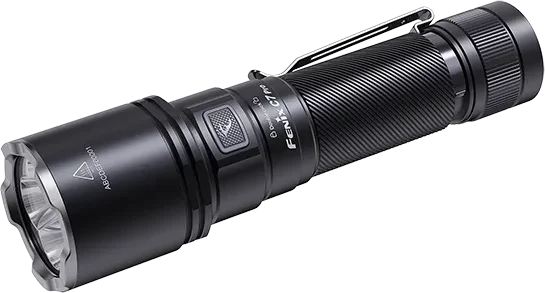
Fenix C7 Pro
4,600 lm · 339 m
CAD $134.95
-
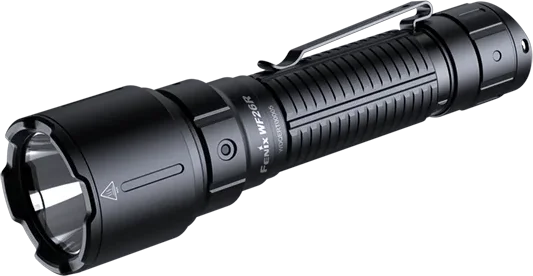
Fenix WF26R
3,000 lm · 450 m
CAD $185.95
-
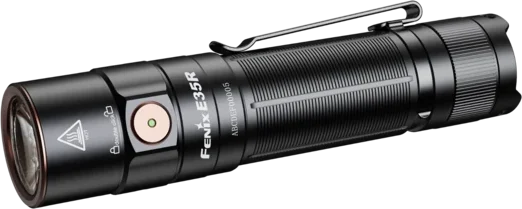
Fenix E35R
3,100 lm · 260 m
CAD $114.95
-
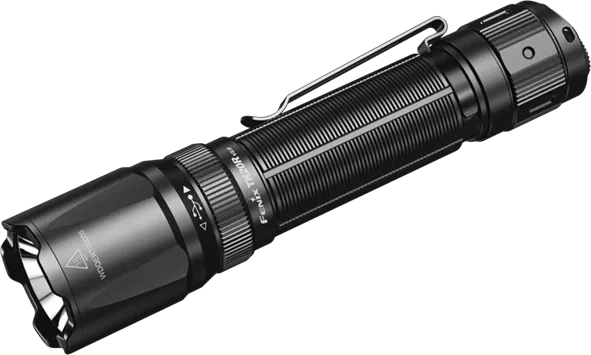
Fenix TK20R V2.0
3,000 lm · 475 m
CAD $179.95
-
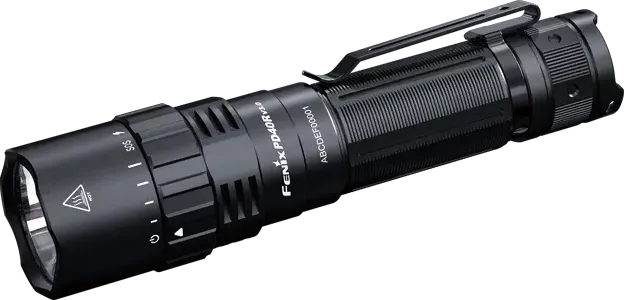
Fenix PD40R V3.0
3,000 lm · 500 m
CAD $166.95
-
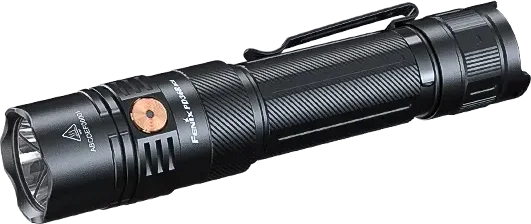
Fenix PD36R ACE
3,000 lm · 415 m
CAD $159.95
-
Sale
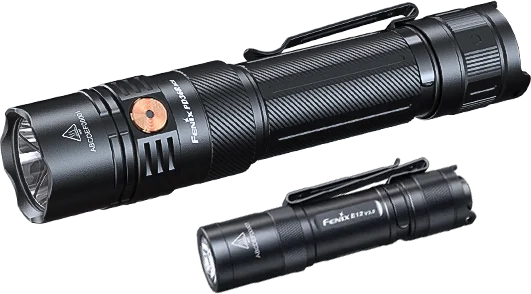
Fenix PD36R ACE + E12 V3.0
3,000 lm · 415 m
CAD $201.95 $159.95
-
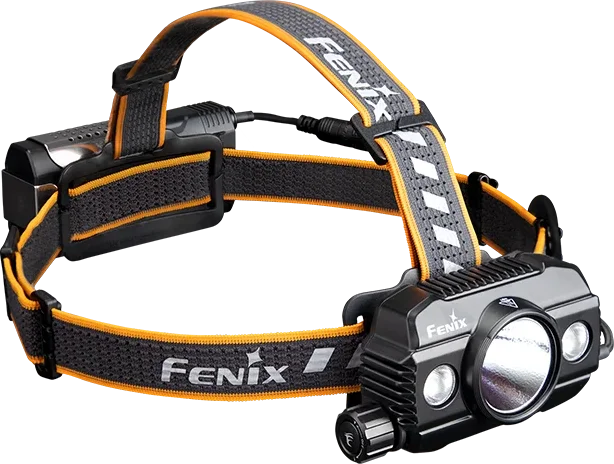
Fenix HP30R V2.0
3,000 lm · 270 m
CAD $301.95
-
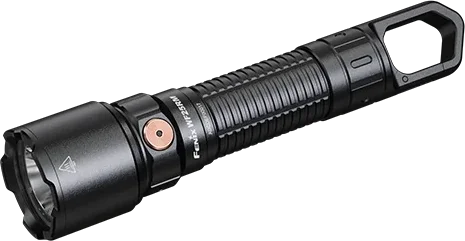
Fenix WF25RM
3,000 lm · 370 m
CAD $204.95
-
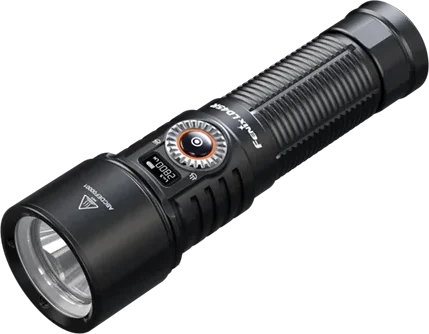
Fenix LD45R
2,800 lm · 480 m
CAD $184.95
-
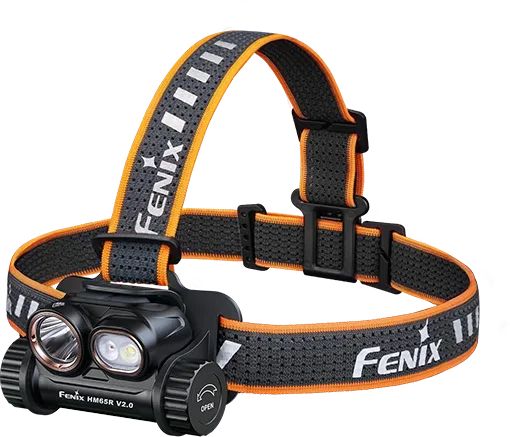
Fenix HM65R V2.0
2,200 lm · 230 m
CAD $139.95
-
Sale
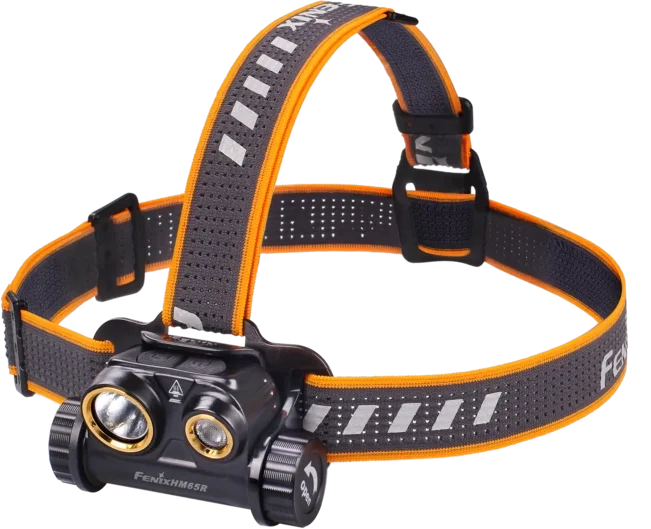
Fenix HM65R
1,400 lm · 163 m
CAD $136.95 $122.95
-
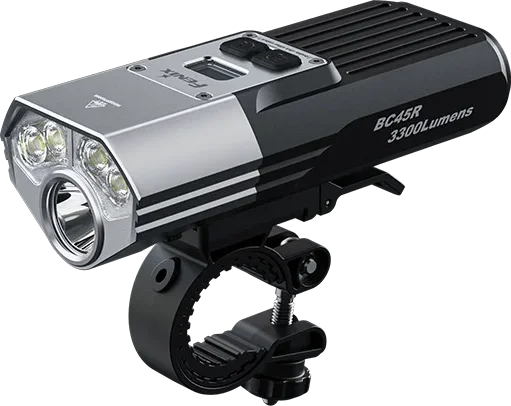
Fenix BC45R
3,300 lm · 286 m
CAD $234.95
-
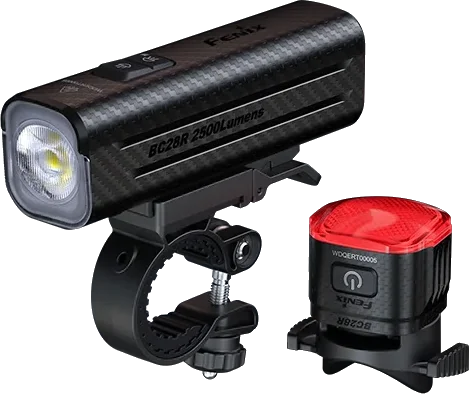
Fenix BC28R
2,500 lm · 180 m
CAD $189.95
-
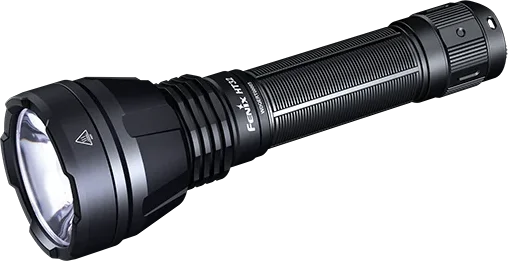
Fenix HT32
2,500 lm · 640 m
CAD $224.95
-
New
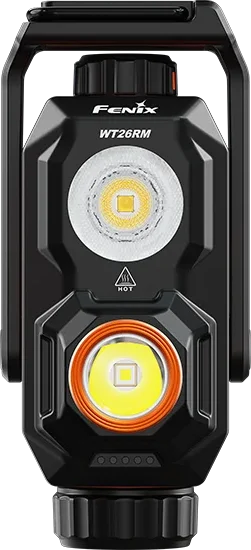
Fenix WT26RM
2,500 lm · 362 m
CAD $129.95
-
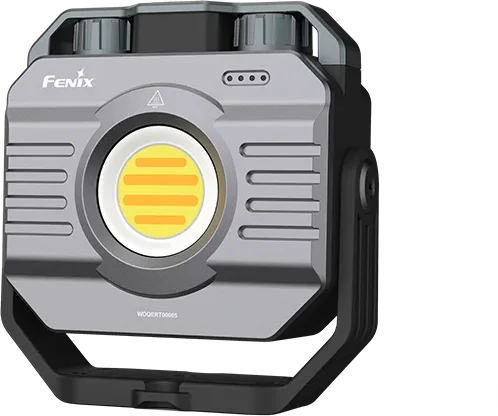
Fenix CL28R
2,000 lm · 58 m
CAD $139.95
-
Sale
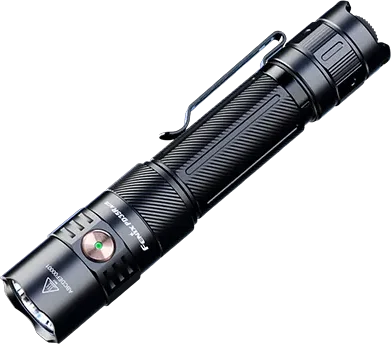
Fenix PD35R ACE
2,000 lm · 380 m
CAD $139.95 $125.95
-
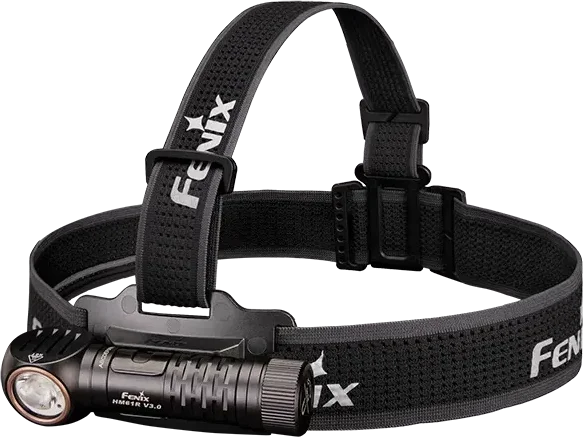
Fenix HM61R V3.0
1,800 lm · 195 m
CAD $134.95
-
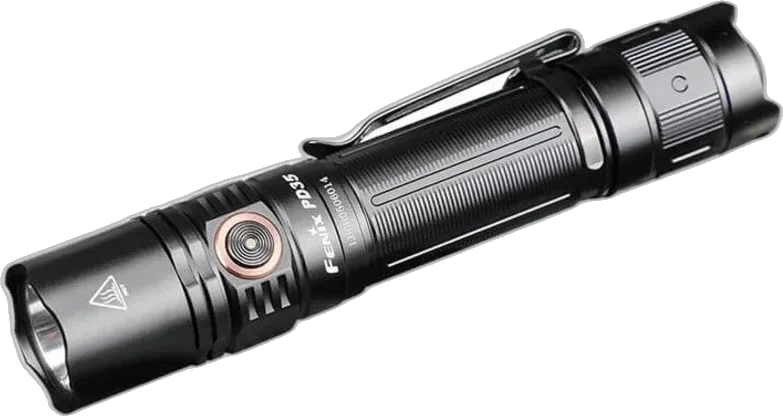
Fenix PD35 V3.0
1,700 lm · 357 m
CAD $114.95
-
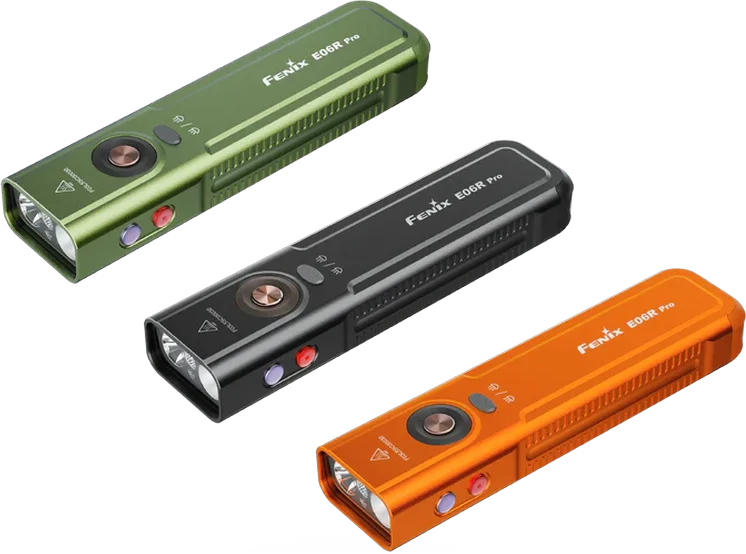
Fenix E06R Pro
1,600 lm · 160 m
CAD $109.95
-
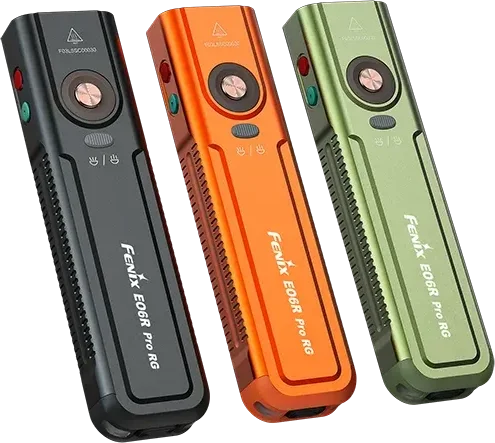
Fenix E06R Pro RG
1,600 lm · 160 m
CAD $124.95
-
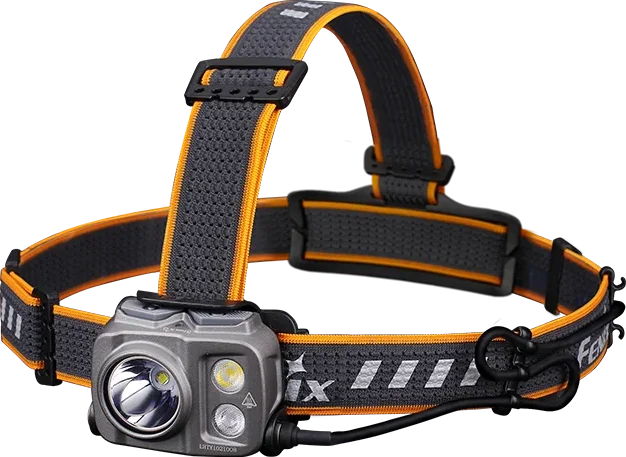
Fenix HP25R V2.0
1,600 lm · 290 m
CAD $164.95
-
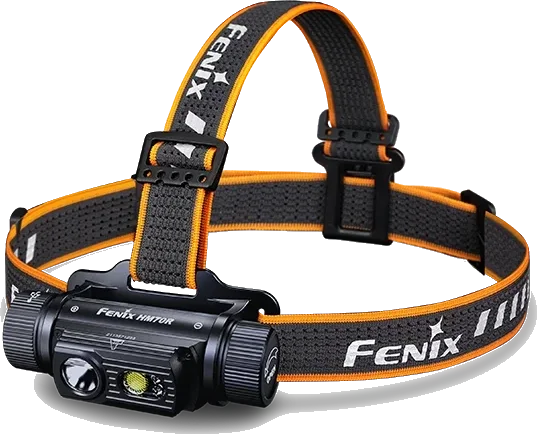
Fenix HM70R
1,600 lm · 186 m
CAD $136.95
-
Sale
Fenix HM70R + E03R V2.0
1,600 lm · 186 m
CAD $183.95 $136.95
-
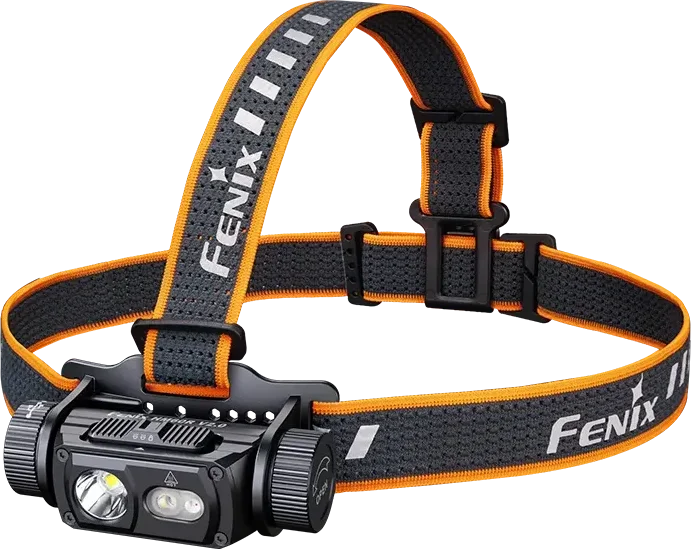
Fenix HM60R V2.0
1,600 lm · 170 m
CAD $124.95
-
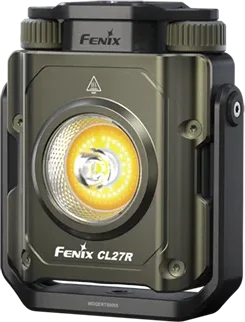
Fenix CL27R
1,600 lm · 180 m
CAD $119.95
-
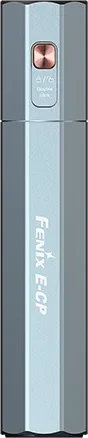
Fenix E-CP
1,600 lm · 222 m
CAD $83.95
-
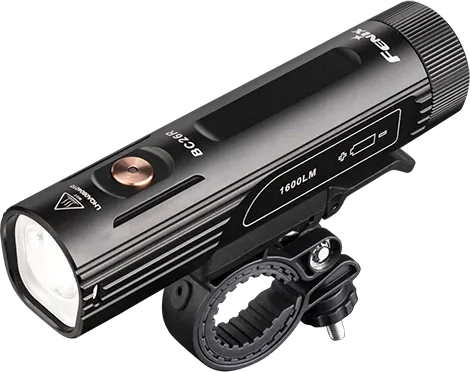
Fenix BC26R
1,600 lm · 169 m
CAD $124.95
-
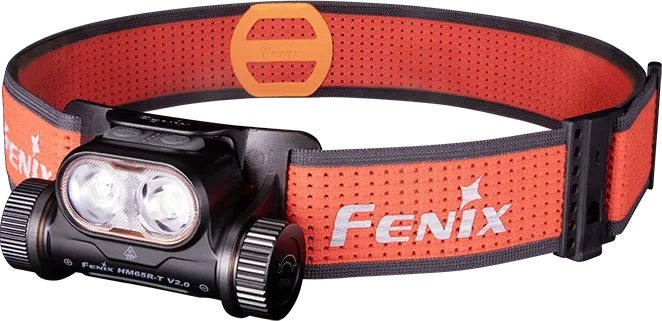
Fenix HM65R-T V2.0
1,600 lm · 170 m
CAD $149.95
-
Sale
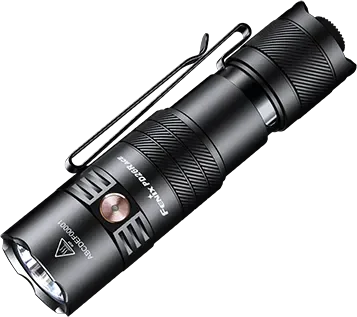
Fenix PD26R ACE
1,300 lm · 354 m
CAD $103.95 $93.95
-
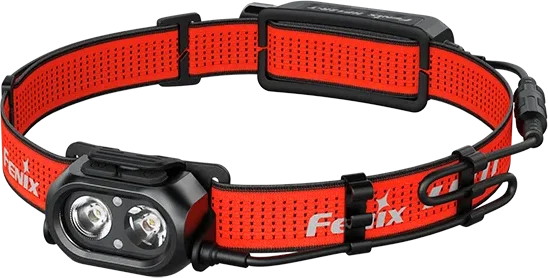
Fenix HP12R-T
1,300 lm · 200 m
CAD $129.95
-
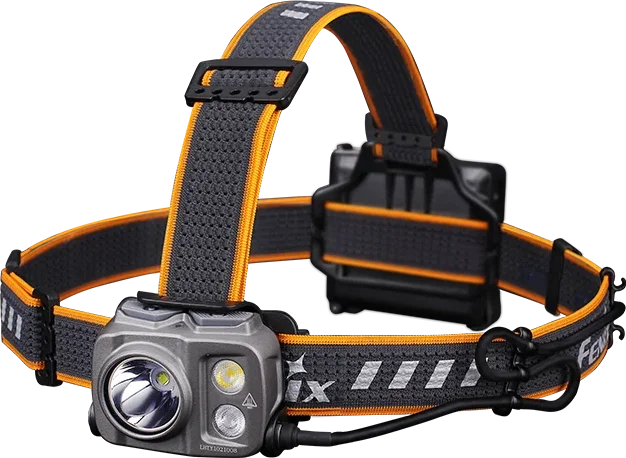
Fenix HP16R
1,250 lm · 255 m
CAD $149.95
-
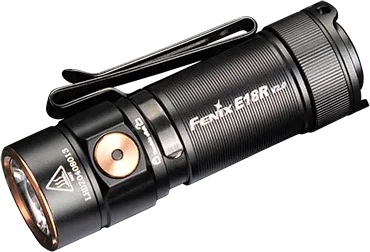
Fenix E18R V2.0
1,200 lm · 146 m
CAD $88.95
-
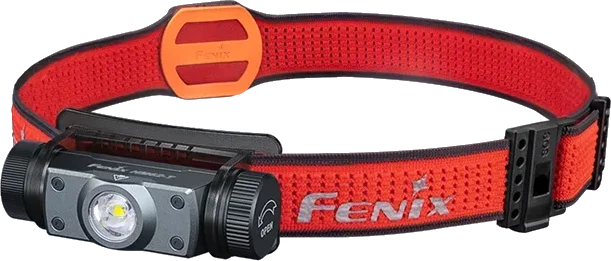
Fenix HM62-T
1,200 lm · 150 m
CAD $106.95
-
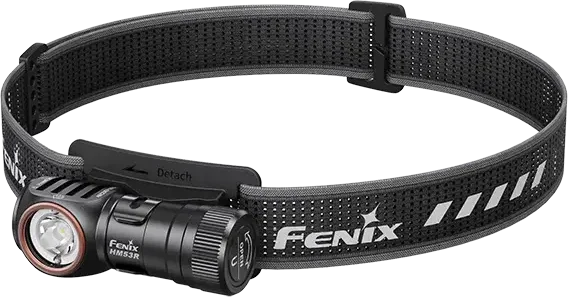
Fenix HM53R
1,200 lm · 158 m
CAD $104.95
-
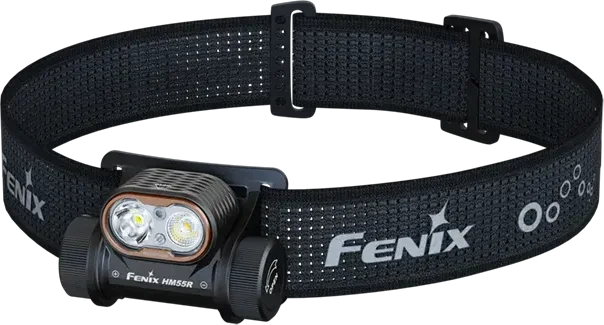
Fenix HM55R
1,200 lm · 175 m
CAD $109.95
-
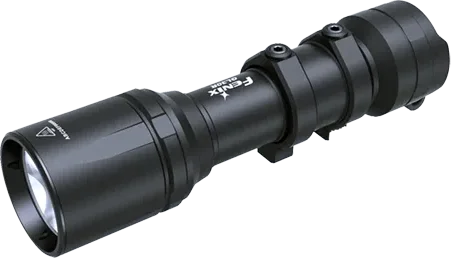
Fenix GL30R
800 lm · 630 m
CAD $234.95
-
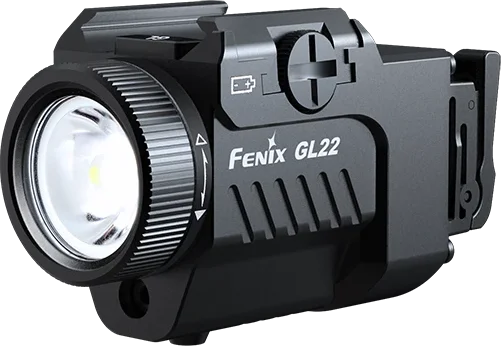
Fenix GL22
750 lm · 180 m
CAD $164.95
-
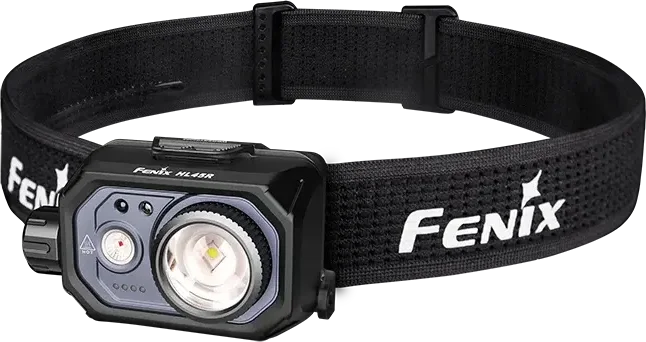
Fenix HL45R
1,000 lm · 220 m
CAD $119.95
-
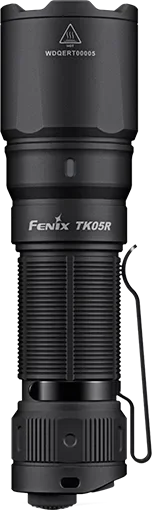
Fenix TK05R
1,000 lm · 450 m
CAD $114.95
-
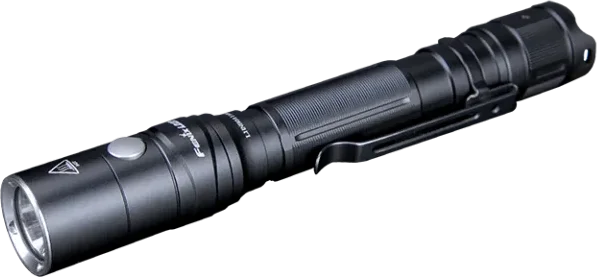
Fenix LD22 V2.0
800 lm · 214 m
CAD $90.95
-
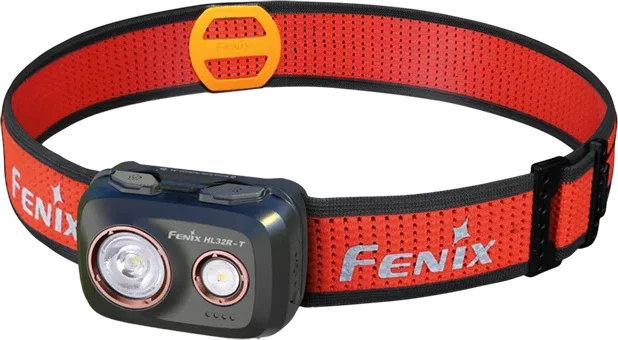
Fenix HL32R-T
800 lm · 132 m
CAD $99.95
-
Sale
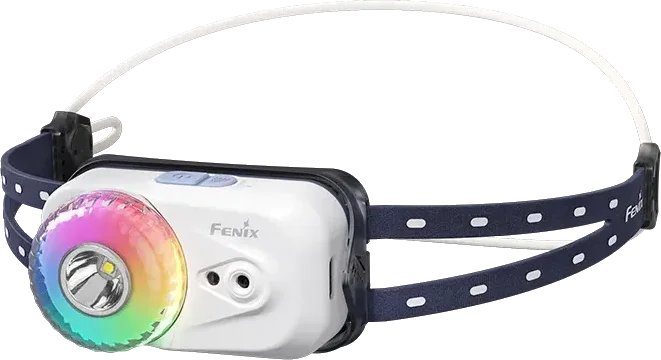
Fenix HL17R
500 lm · 100 m
CAD $59.95 $50.95
-
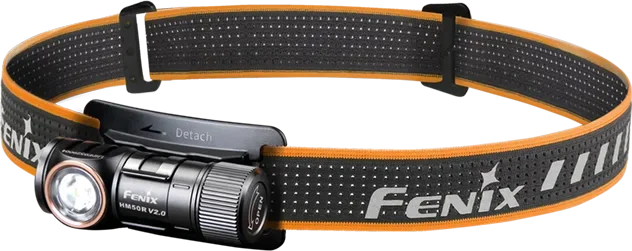
Fenix HM50R V2.0
700 lm · 115 m
CAD $81.95
-
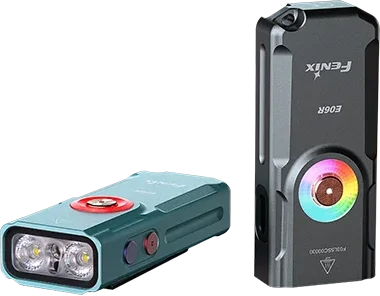
Fenix E06R
700 lm · 110 m
CAD $84.95
-
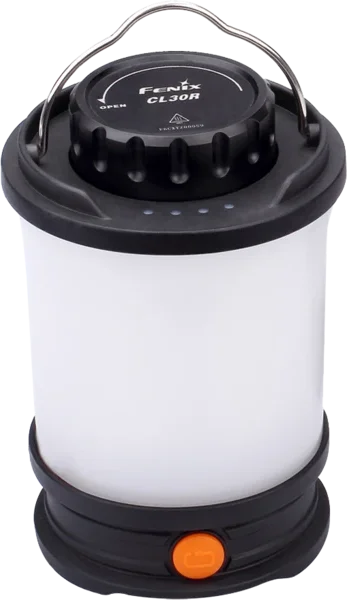
Fenix CL30R
650 lm · 35 m
CAD $149.95
-
Sale
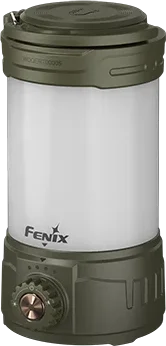
Fenix CL26R Pro
650 lm · 15 m
CAD $119.95 $101.95
-
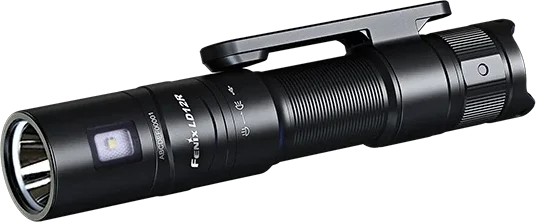
Fenix LD12R
600 lm · 186 m
CAD $84.95
-
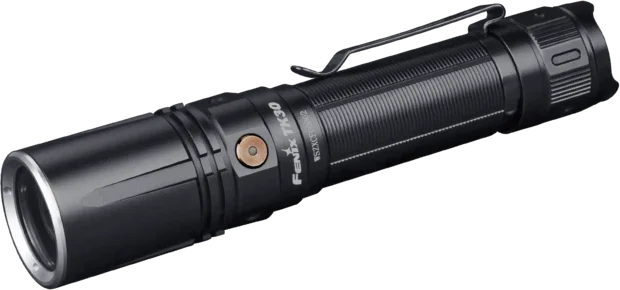
Fenix TK30
500 lm · 1,200 m
CAD $369.95
-
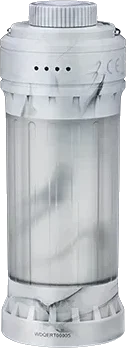
Fenix CL22R
500 lm · 80 m
CAD $74.95
-
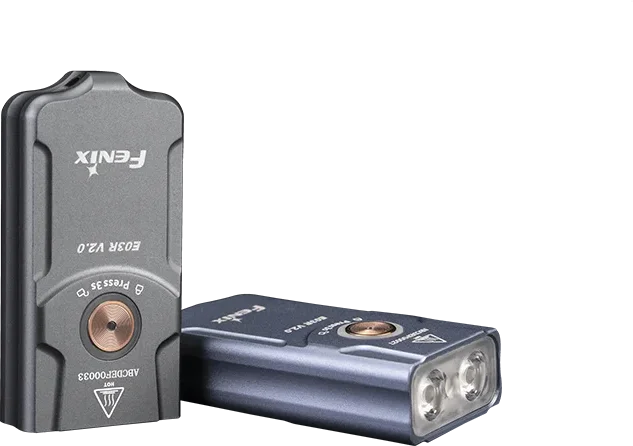
Fenix E03R V2.0
500 lm · 90 m
CAD $46.95
-
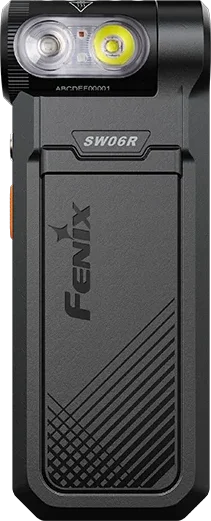
Fenix SW06R
500 lm · 100 m
CAD $79.95
-
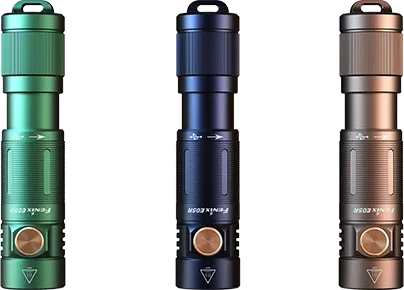
Fenix E05R
400 lm · 64 m
CAD $41.95
-
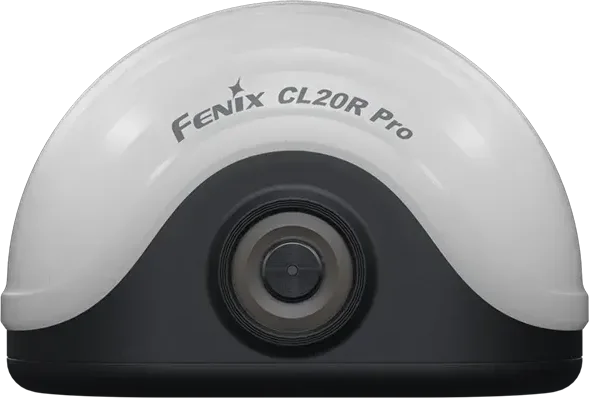
Fenix CL20R PRO
400 lm · 15 m
CAD $79.95
-
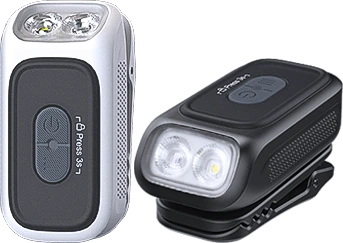
Fenix E04R
300 lm · 46 m
CAD $46.95
-
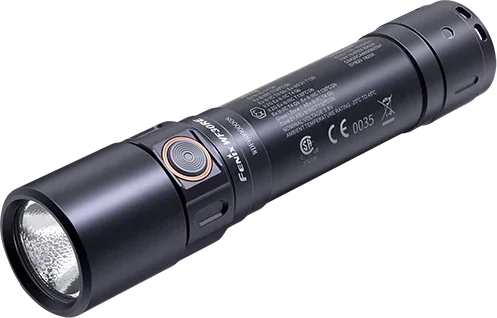
Fenix WF30RE
280 lm · 170 m
CAD $137.95
-
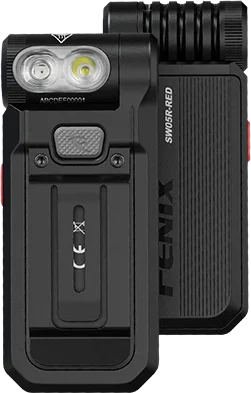
Fenix SW05R-RED
150 lm · 39 m
CAD $64.95
-
Sale
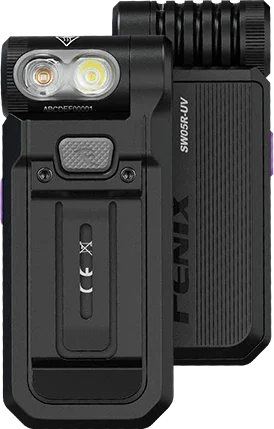
Fenix SW05R-UV
150 lm · 39 m
CAD $64.95 $54.95
-
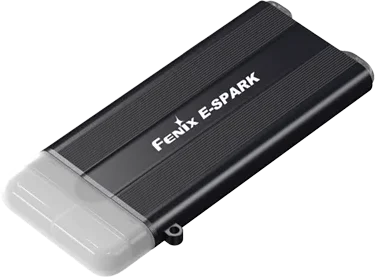
Fenix E-SPARK
100 lm · 40 m
CAD $48.95
-
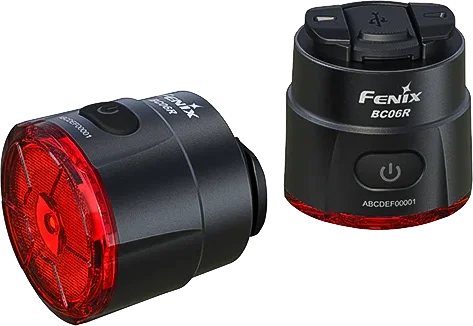
Fenix BC06R
90 lm · 100 m
CAD $49.95
-

Fenix T6
80 lm · 18 m
CAD $53.95
-
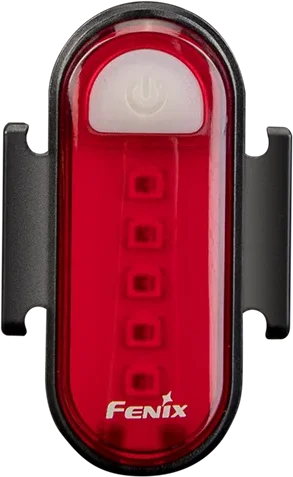
Fenix BC05R V2.0
15 lm · 50 m
CAD $28.95
-
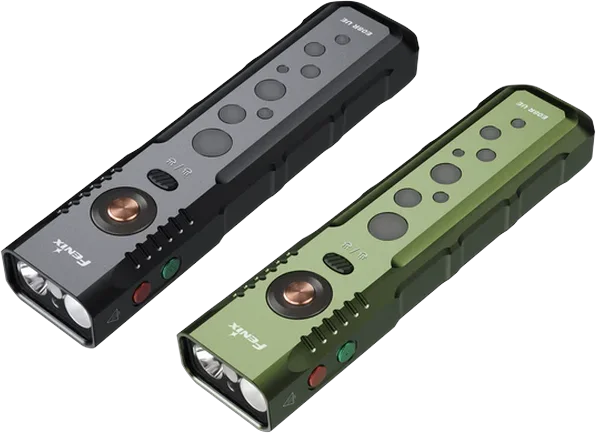
Fenix E08R UE
1,600 lm · 160 m
CAD $159.95
No products match your filters.
Frequently asked questions
Are all Fenix flashlights rechargeable?
Almost all current Fenix lights are rechargeable, charging over USB-C, a magnetic contact, or in an external bay charger. A small number of specialty models run only on primary cells; this page lists just the rechargeable ones.
Can I still use regular batteries if the charge runs out?
On many Fenix lights, yes. Dual-fuel models accept a CR123A or AA primary cell as a backup when no charger is available — useful for emergencies and long trips. The product page lists which cells each light accepts.
How long does a rechargeable flashlight take to charge?
It depends on the cell capacity and charger output. A small everyday-carry cell fills in roughly an hour; a high-capacity 21700 cell can take three hours or more. Most Fenix lights show a charge-status indicator so you know when they are full.