The drawer full of dead flashlights
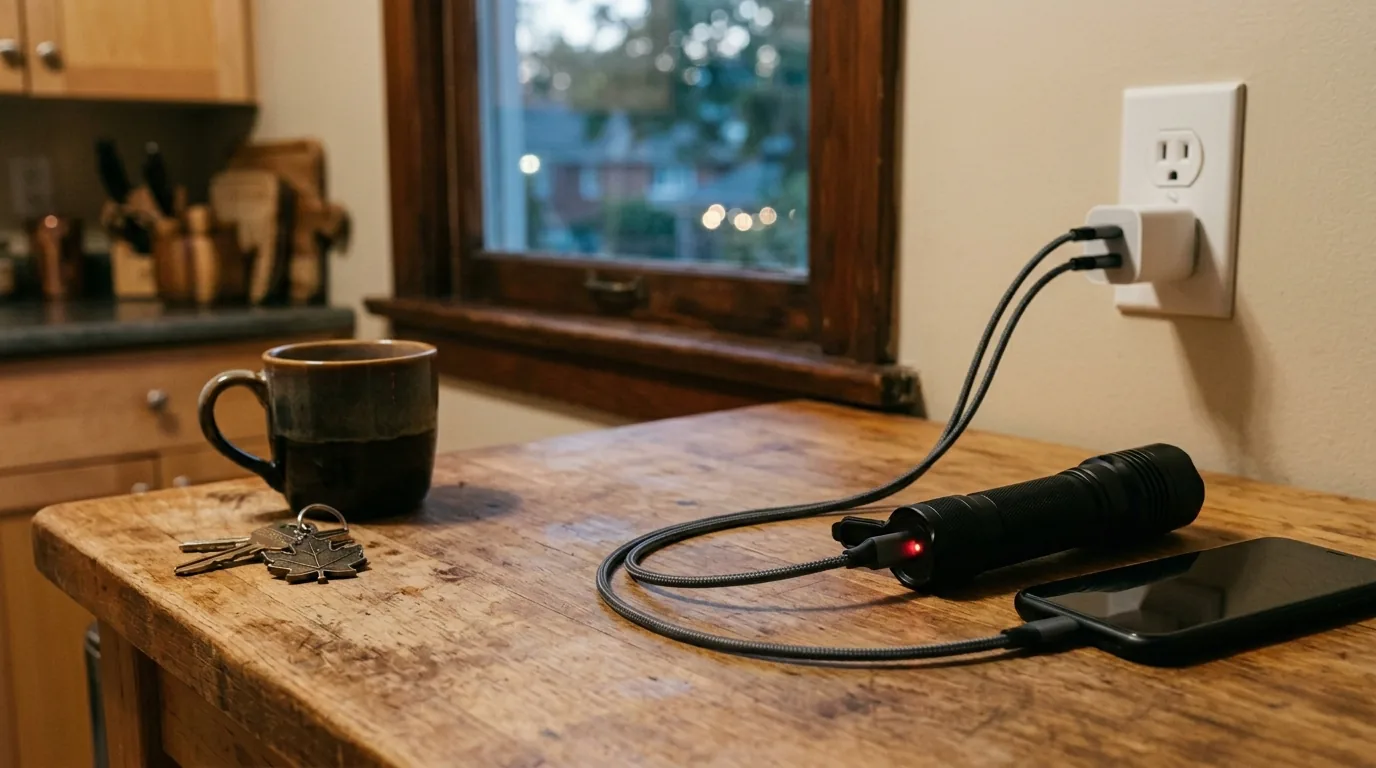
Most homes have one: a drawer with two or three flashlights in it, every one dead, because feeding them disposable batteries was a chore nobody kept up with. That drawer is the best argument for a rechargeable light. When the light tops up from the same USB-C cable as your phone, keeping it ready stops being a task and becomes a habit you don't even notice.
The real cost of disposables
A cheap light that eats alkaline cells looks inexpensive on the shelf and isn't. Over a few years of regular use you'll buy far more in batteries than the light cost — and you'll throw a steady stream of dead cells into the landfill doing it. A rechargeable light charges for pennies, holds its charge between uses, and the cell lasts for hundreds of cycles. It's cheaper, greener, and simpler.
The convenience that actually changes behaviour
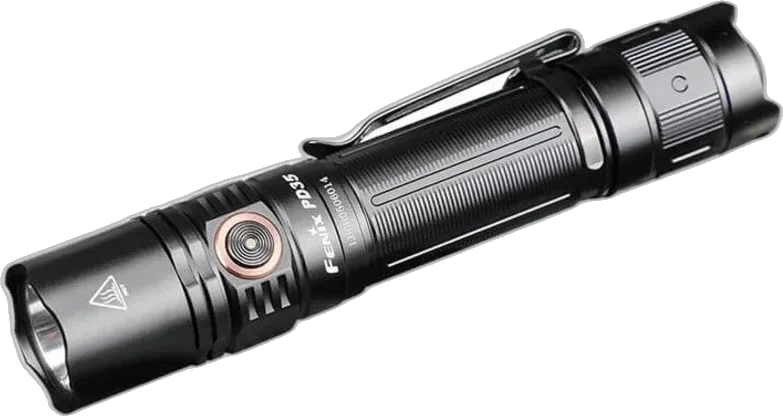
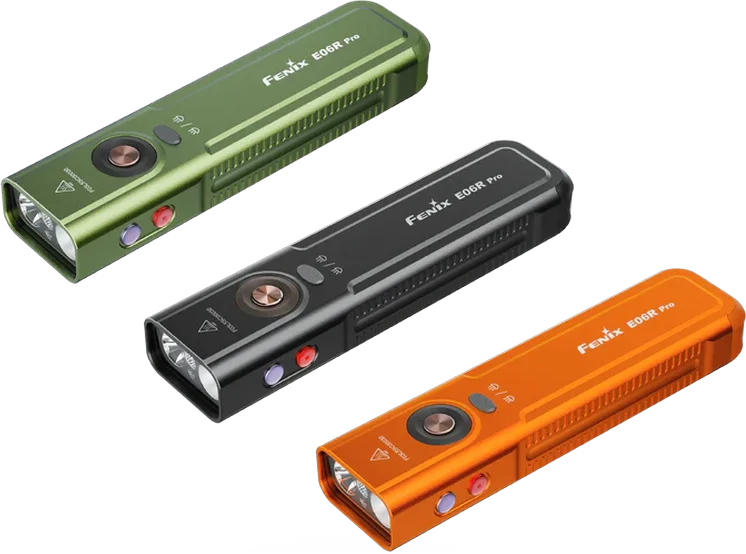
The quiet benefit of USB-C is that you can charge anywhere — the same brick that charges your phone, the laptop, the car, a power bank. A light like the PD35 V3.0 or the pocket-sized E06R Pro goes from “I should charge that sometime” to “it's always topped up,” because topping it up takes zero effort. A light that's always ready is the only kind that's actually useful.
When AA still wins
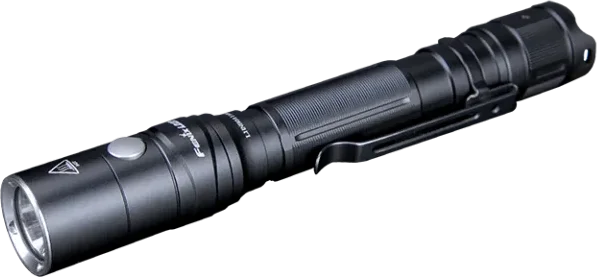
There's one job rechargeables don't do best: sitting untouched for months. For an emergency bin, a remote cabin, or a glovebox that might not be opened until you need it badly, a light that runs on AA cells is the more dependable choice — fresh batteries hold their charge on the shelf, and you can buy more anywhere, anytime, even during an outage. The LD22 is the light we point people to here: rechargeable convenience when you want it, AA dependability when you need it.
A note on the cold
Lithium-ion handles Canadian winter better than most expect. Output can dip in deep cold and recovers as the cell warms, so keep a spare charged and carry the light close to your body when it's truly frigid. For the full picture on cells, sizes, and charging, see the battery guide.