Lumens are a headline, not the whole story
Walk down the flashlight aisle and every box shouts a number: 1,200! 3,000! 10,000 lumens! It's the easiest spec to print and the easiest to misunderstand. Lumens measure how much total light a flashlight puts out — useful to know, but a poor way to choose, because the biggest number is almost never the right one for what you're actually doing.
What a lumen actually buys you
Doubling the lumens roughly doubles the brightness of the lit area — but it does not double how far the beam reaches, and it costs you dearly in runtime, heat, size, and price. A light's headline figure is also its maximum, which most lights can only hold for a minute or two before they step down to protect themselves. The number on the box is a sprint, not a marathon.
A plain scale by task
- 50–200 lumens
- Reading, close work, finding something dropped in the basement, walking the dog. Most everyday carry lives here.
- 500–1,000 lumens
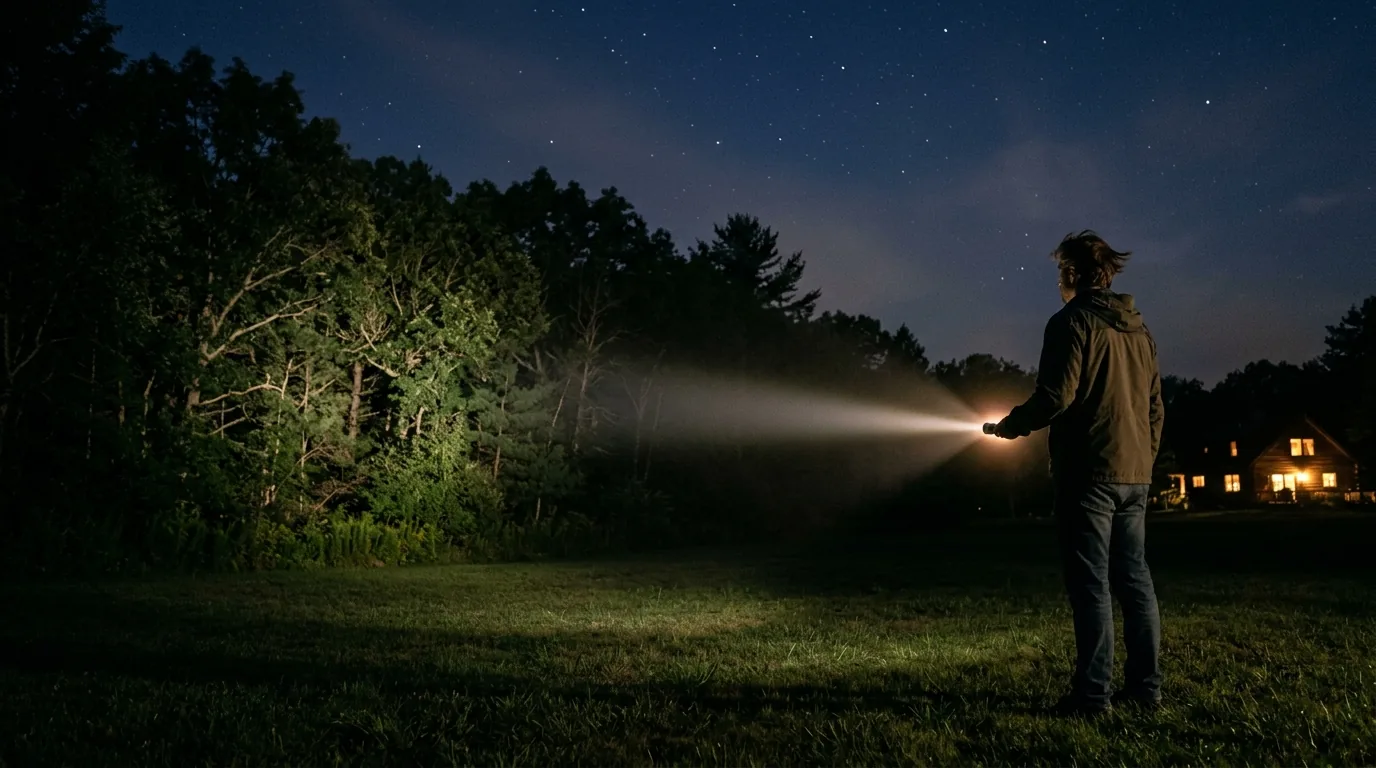
- The yard, the garage, a power outage, a trail walk. Plenty of light for almost everything around a home or campsite.
- 1,500–3,000+ lumens
- Outdoor distance, bush travel, lighting a big space, searching. Genuinely useful — for the people who need it.
Why the low mode matters most
Here's the part the box won't tell you: you'll spend the overwhelming majority of your time on low and medium. A light with a genuinely useful 5–50 lumen low — gentle enough to read by, efficient enough to run for days — is more valuable in daily life than one with a turbo you fire for ten seconds to impress a friend. Judge a light by how pleasant its low is, not how loud its high is.
So, match the number to the job
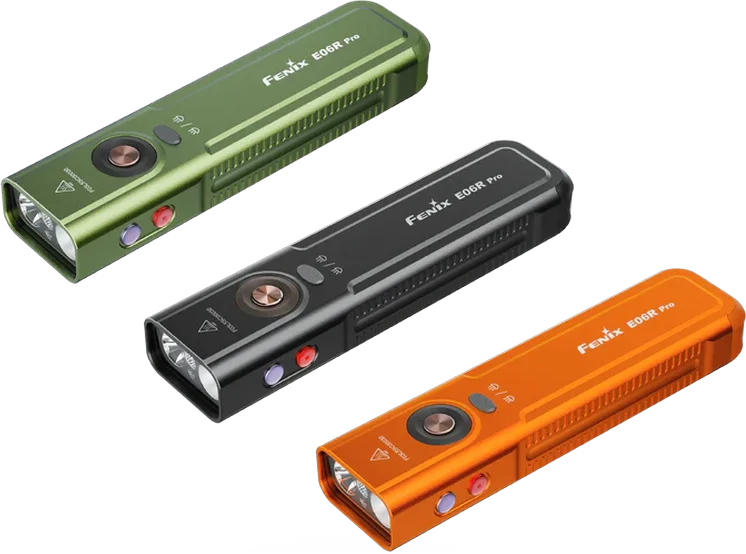
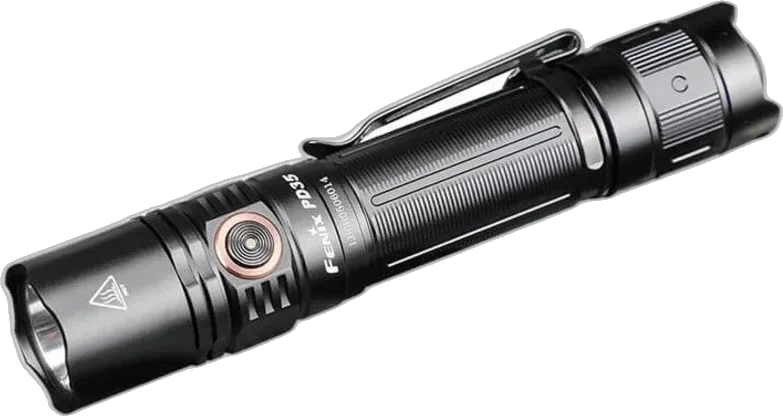
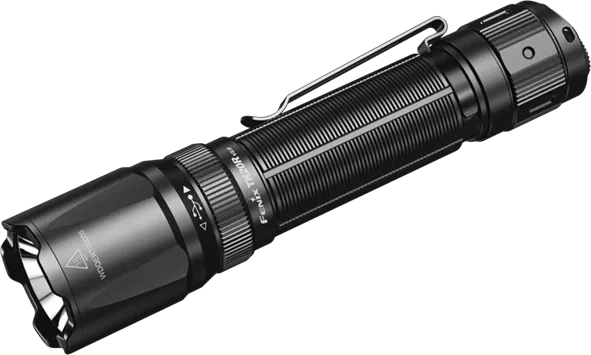
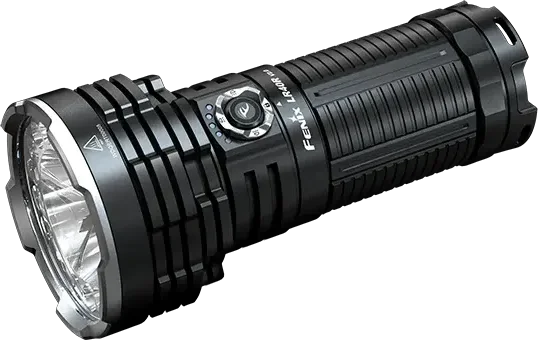
A compact E06R Pro (a few hundred lumens) is perfect in a pocket. A PD35 V3.0 at 1,700 lumens is a do-everything all-rounder. A TK20R reaches further for the outdoors, and a searchlight like the LR40R exists for the rare jobs that truly need a wall of light. None is “better” — each fits a different job.
For the rest of the spec sheet — beam shape, runtime, IP rating, and battery type — the full flashlight buying guide takes it one number at a time.