The city hides how dark it gets
In town, true darkness is rare — there's a streetlight on every corner and a porch light next door. Step outside the city and that changes completely. On a rural property, a cottage road, a farm, or a dock, the dark is real and deep, and a pocket flashlight that's perfect in a parking lot suddenly feels like a candle. This is where a long-range light stops being a luxury and becomes the right tool.
When distance is the whole point
There's a specific set of jobs where reach is everything:
- Checking the back of a property or a treeline after a noise.
- Finding the gate, the barn, or the dock at the far end of the lane.
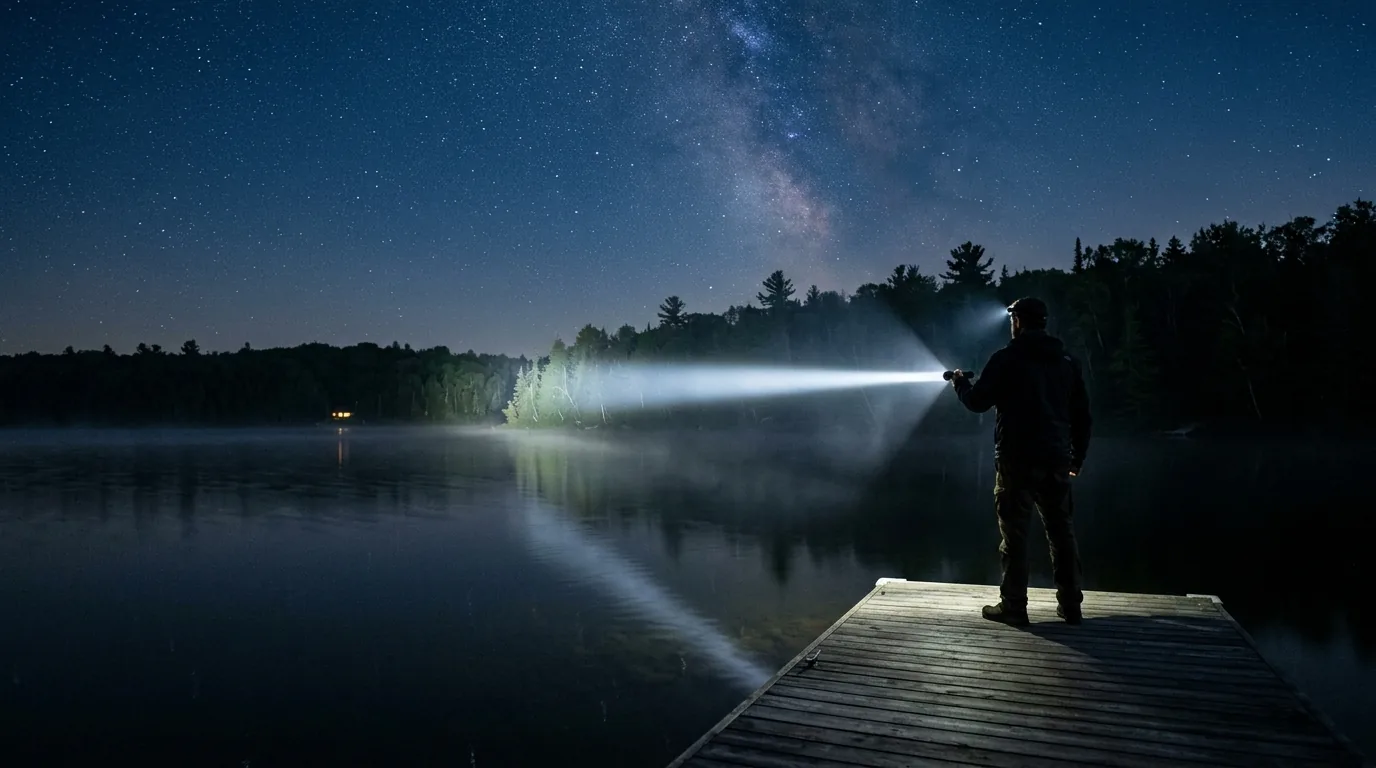
- Spotting a boat, a buoy, or the far shore from the dock at night.
- Scanning a field or a trail for wildlife — or for the dog that took off after it.
For all of these, no amount of close-up flood will help. You need a beam that travels.
Throw vs flood, plainly
Two words describe how a light spreads. Flood is a wide, even wash of light — great for walking and working close. Throw is a tight, concentrated beam that punches far out into the dark to show you what's at a distance. A long-range light is built for throw, and the best outdoor lights let you have some of both. For the full breakdown, the flashlight buying guide covers beam shape in detail.
Reaching 100 to 300 metres
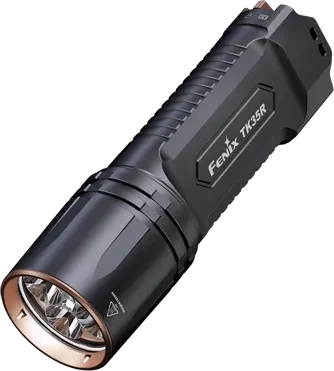
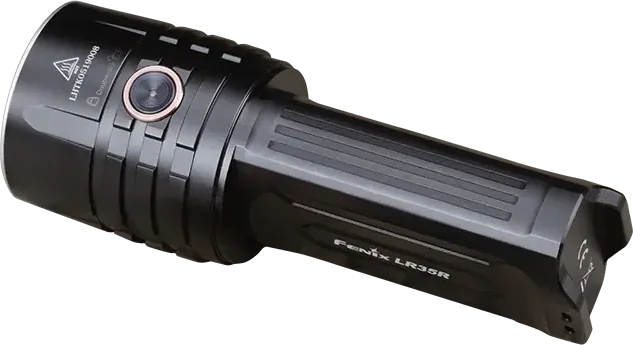
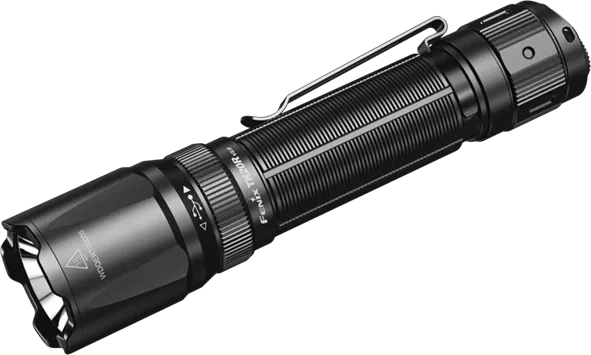
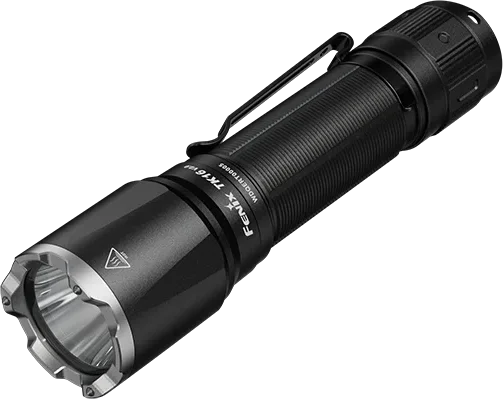
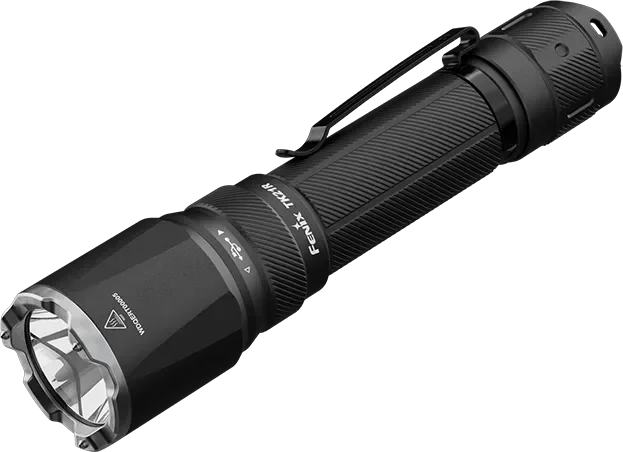
A capable long-throw light puts usable light hundreds of metres out — far enough to read a treeline or identify what's at the field edge. The TK20R and TK16 are excellent all-rounders that reach well while staying handy; the TK21R pushes further; and when you want serious distance, the high-output TK35R and LR35R reach right out to the edge of the dark. None of this needs tactical language — it's simply the right amount of light for a property that doesn't end at a sidewalk.