The 5 p.m. January scenario
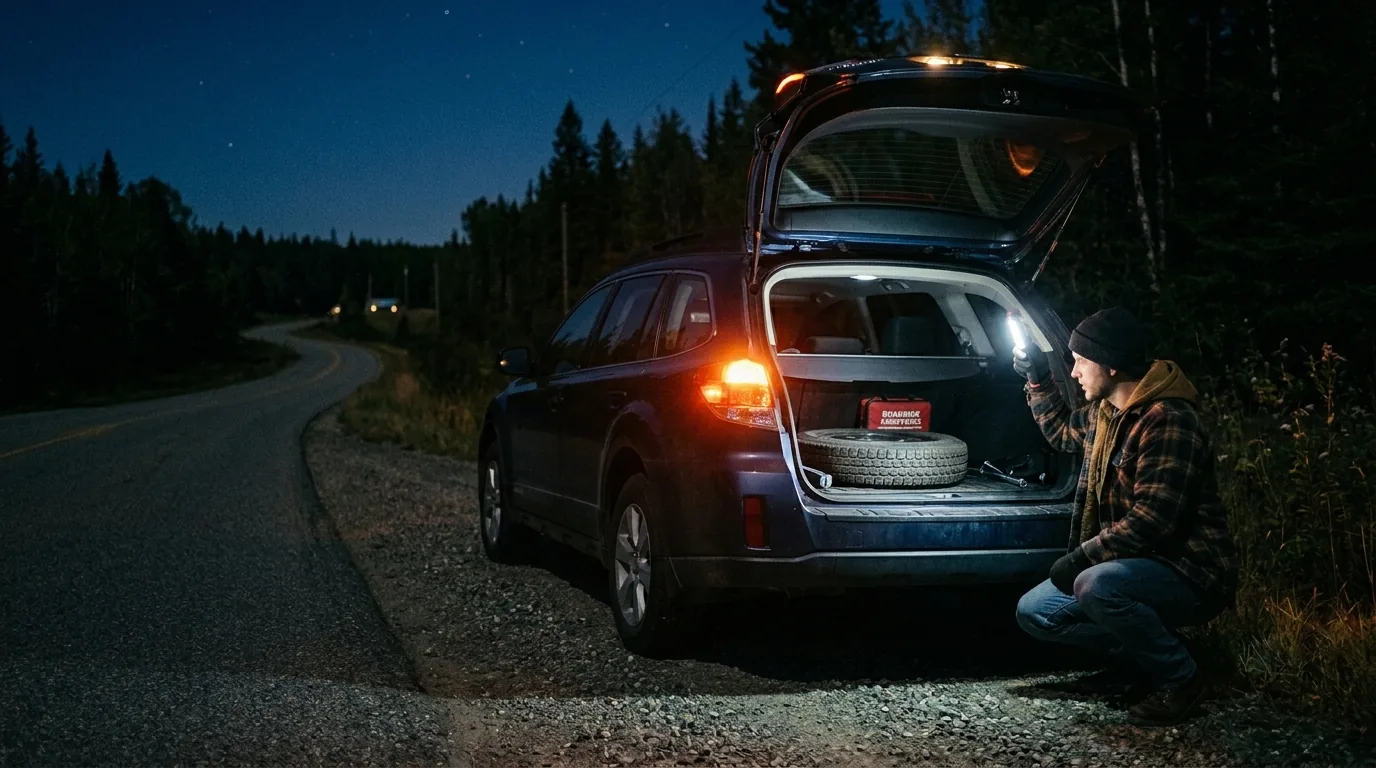
It's dark by late afternoon, the temperature's dropping, and you're pulled onto the shoulder with a flat or a dead battery. This is the moment a flashlight earns its place — and the worst possible time to find out your only light is the phone you need to call for help. A light in every vehicle isn't gear for enthusiasts; it's basic Canadian winter sense.
What a car light has to survive
A vehicle light has a hard, strange life: it sits untouched for months, then has to work instantly, often in the cold and the wet at the side of a road. That puts different demands on it than a light you use daily:
- It has to start the first time, after a season of neglect.
- It has to take the temperature swings — a glovebox bakes in July and freezes in January.
- It has to be tough and sealed enough to use in driving rain or a snowbank without fuss.
The battery question
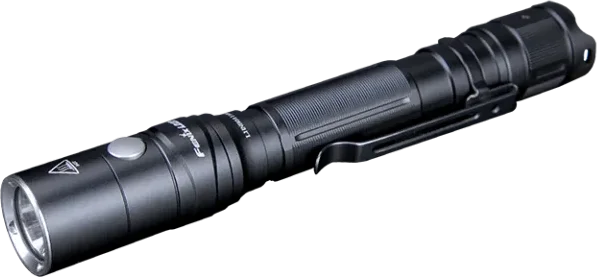
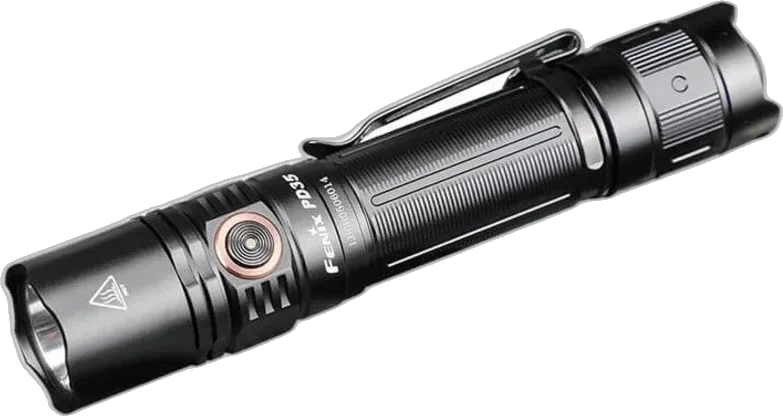
For a light that mostly waits, battery choice is the whole game. Skip cheap alkalines — they can leak and let you down in deep cold. A lithium AA light like the LD22 is our top glovebox pick precisely because it sits for months and still fires, and you can buy more cells anywhere. If you'll remember to keep it charged, a sealed rechargeable like the PD35 V3.0 is just as dependable and throws more light for spotting a hazard down the road.
Add a headlamp, and a lantern if there's room
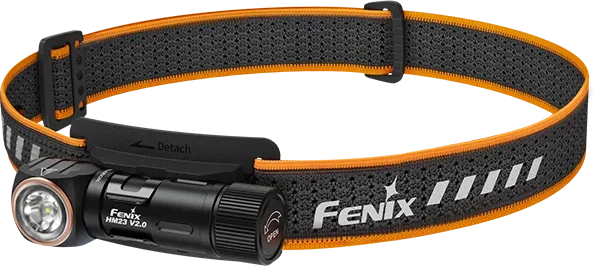
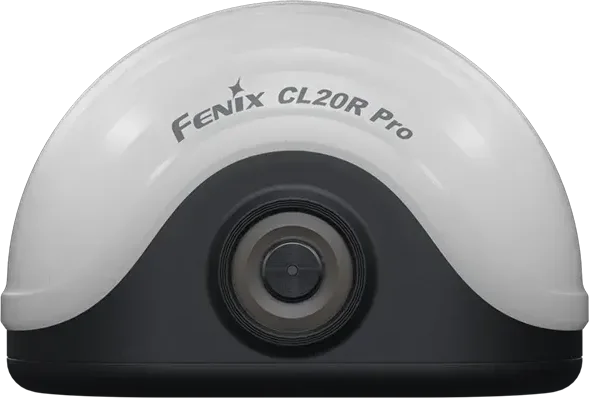
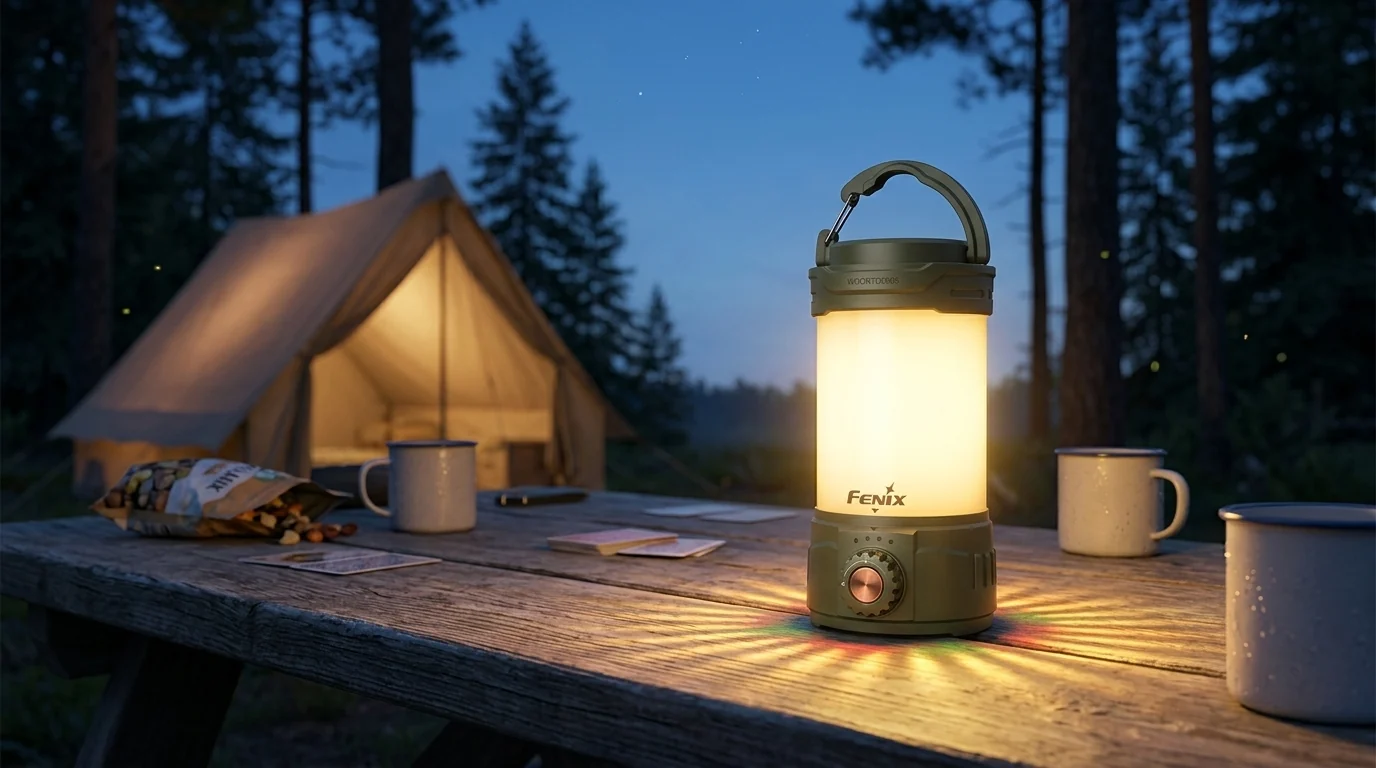
The handheld is for spotting and signalling. For actually fixing something — a tire, a cable, a fuse — you want both hands free, so a compact headlamp like the AA-powered HM23 is the best second item in the kit. And if you've room in the trunk, a small lantern such as the ultralight CL20R Pro turns the inside of a stranded car into a warm, calm place to wait it out.
Build the kit once, check it when you swap your tires, and forget about it until the night you're glad it's there. Browse emergency & vehicle lighting below.