What the dark actually does to your eyes
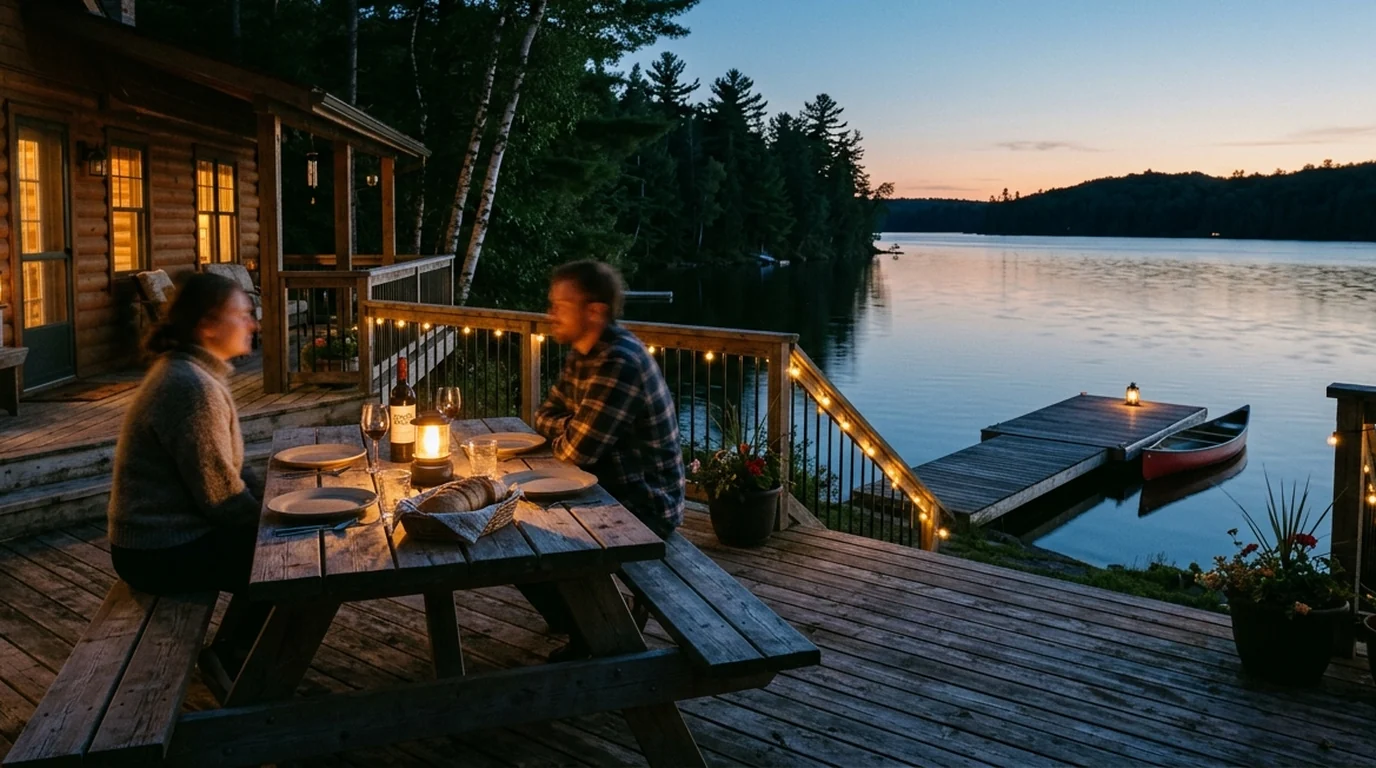
Step outside at the cottage on a clear night and for the first minute you can barely see the dock. Ten minutes later you can make out the treeline. After half an hour you can walk the path without a light at all. That process is called dark adaptation, and it is slower than almost anyone expects — the useful part takes twenty to thirty minutes, and it keeps improving well beyond that.
The frustrating part is how easily it comes undone. One glance at a bright white beam — yours or someone else's — and you are back to the start, waiting out the whole half hour again. Anyone who has been the person who swung a headlamp across a dark campsite knows the sound that follows.
Where a red mode earns its place
Red light sits in a useful gap: bright enough to work by, dim and long-wavelength enough that your dark-adapted vision survives it. That makes it the right mode more often than people realise:
- Around camp after dark — finding something in a pack, sorting out the stove, walking to the tent without wiping out everyone's night vision.
- Under the stars — checking a star chart or a camera setting between shots, which is why dim red light has been standard practice among astronomers for generations.
- Waiting on the northern lights — a real Canadian use case from late summer through winter, and one where a single white flash ruins the view for everybody at the lookout.
- On the water — checking a knot or a chart in the cockpit while keeping your eyes ready for the shoreline and the markers.
- Inside the tent or cabin — enough to see by without waking whoever is already asleep.
Red, green, or just a very low white
Red protects your adaptation best, so it is the default for anything where you want your eyes ready the moment you look up. Green reads brighter to the eye at the same power and shows more contrast, which is why it appears on larger multi-colour outdoor lights — it just costs you more of that hard-won adaptation, and it is a specialist's choice rather than a default. One thing to be clear about: a green laser is a pointer, not an illumination source. It lights nothing, and it belongs in a different conversation entirely.
Red has one genuine catch worth knowing before you rely on it: red light makes red ink vanish. Contour lines, trail markings, anything printed in red simply flattens into the paper. If you navigate off a topographic map or a marine chart, that is the moment you want the third answer — a genuinely low white mode. The same applies any time colour is the point: judging a wire, sorting a first-aid kit, working out whether that is a wasp or a bee. Red strips colour out. The best lights give you red and a low white and let you choose.
What to look for
The feature only works if you can reach it. Three things separate a real red mode from a marketing bullet:
- A dedicated red LED, not a slide-on filter and not a flashing signal effect. Plenty of lights advertise "red" and deliver only a red strobe or a red laser — neither is a reading light.
- Direct access to red from off. A light that makes you cycle through full white to get there has already undone the thing you bought it for.
- A low enough low. Five to fifteen lumens is plenty, and some lights simply do not go dim enough to be comfortable inside a tent.
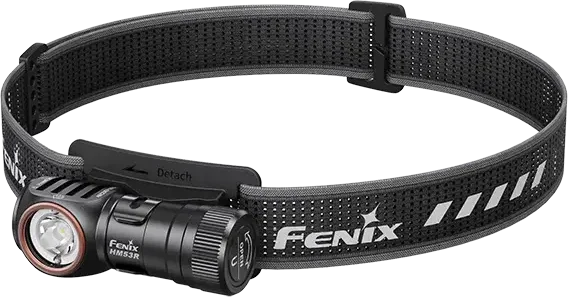
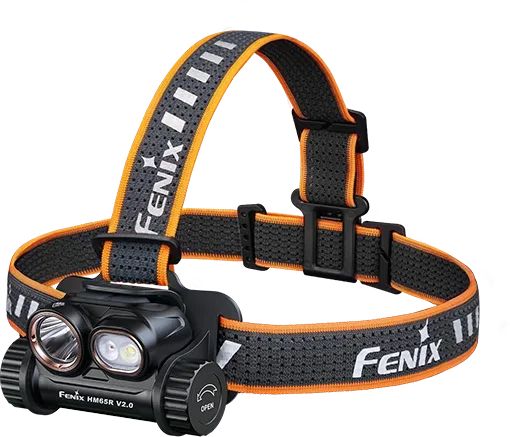
On your head, which is where it matters most, because a headlamp points wherever you look. The HM53R is the light one — 102 grams, with a red low that runs 70 hours on 3 lumens and a magnetic tailcap so it clips to a chest strap or sticks to the car door. The HM65R V2.0 is the one to buy if red is a mode you'll live in: three red levels from 140 lumens down to 5, and that lowest setting runs for 193 hours. Separate spot and flood beams handle the white-light side.
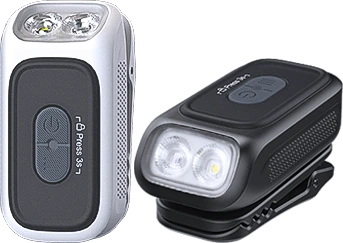
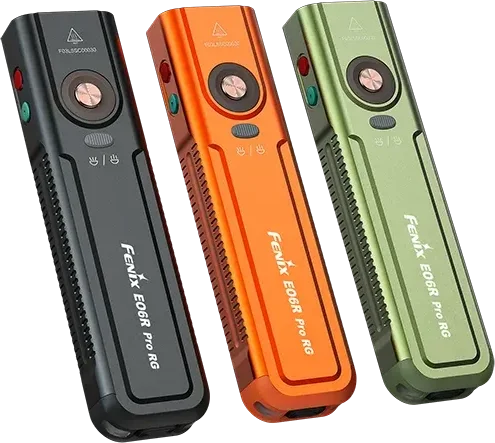
In a pocket, the E04R is the easy place to start — 41 grams, a separate red LED beside the white one, and a red low that runs 19 hours on 5 lumens. Step up to the E06R Pro RG and you get a red channel with two levels from 5 to 50 lumens on its own independent switch, which is as close to the ideal as this catalogue gets.
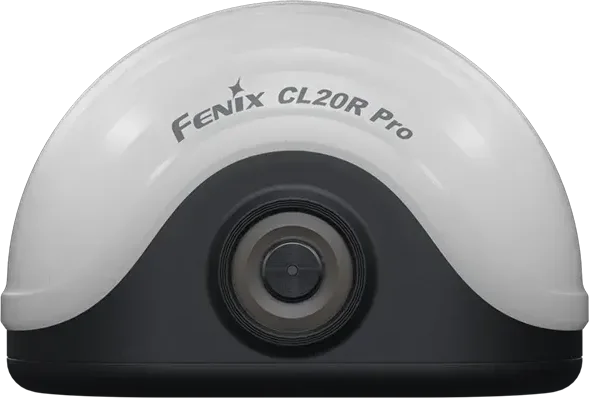
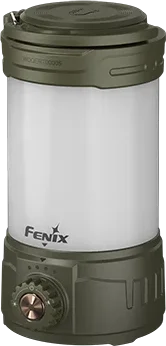
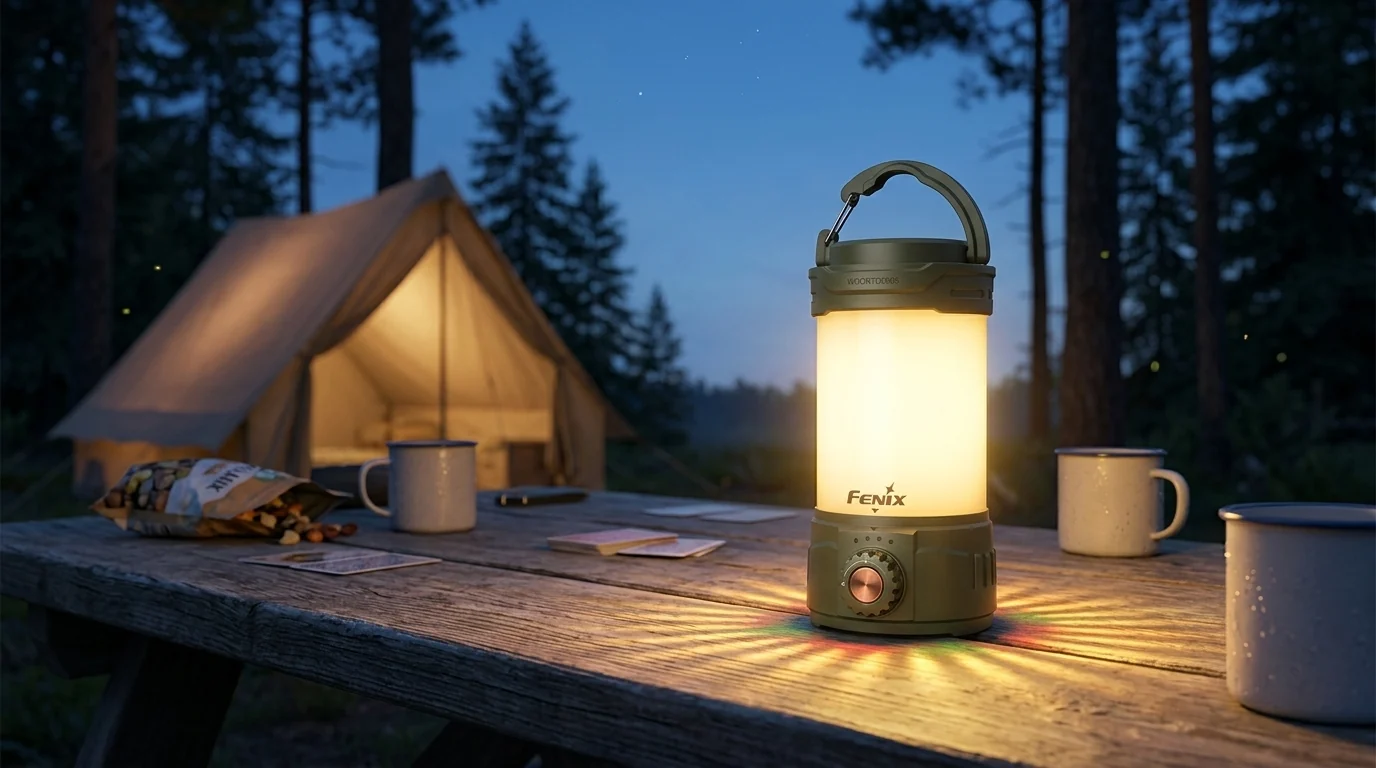
On the table or in the tent, a lantern with a red setting keeps the whole group's eyes intact instead of just your own. The CL20R PRO is the small, clever one — a motion sensor lights it as you walk up, and its red sits at 1.5 lumens for 40 hours, which is about as gentle as light gets. The CL26R Pro is the bigger choice at 650 lumens of white when you want it, 3 lumens of red for 125 hours when you don't, and a power bank for topping up a phone at camp.
If you are still working out the basics of output and beam, the flashlight buying guide covers them, and the battery guide explains what all-night runtimes actually depend on. Once you've used red for a season, reaching for it first stops feeling like a gimmick and starts feeling like manners. Browse lights with a red mode below.